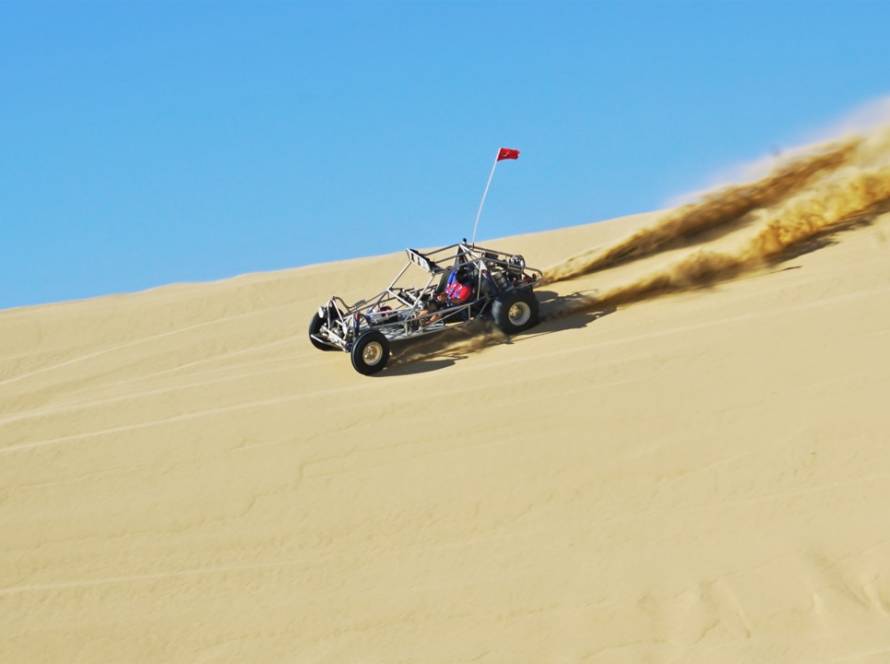
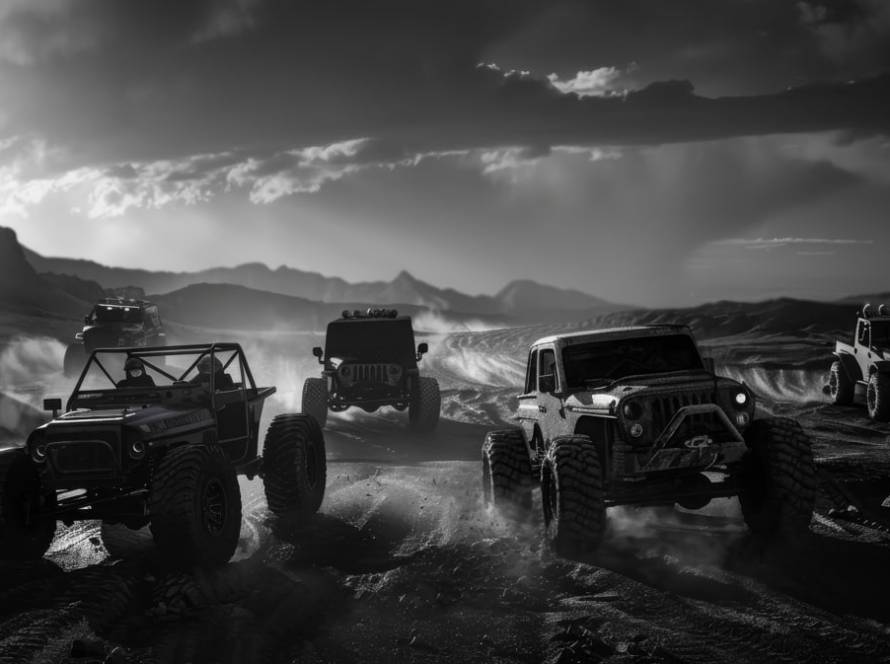
The desert is a place of incredible beauty and raw power. Standing at the base of the “Big Red” dune or looking out over the jagged horizon of Fossil Rock, you can feel the excitement building. Navigating these shifting sands in a dune buggy is easily one of the most exhilarating experiences you can have in Dubai, but it often comes with a common question: Is dune buggying safe?
The short answer is yes provided you don’t treat the desert like a lawless playground. While the thrill of the ride is what brings people here, a truly unforgettable adventure is built on a foundation of professional preparation. Think of the desert as a high-speed environment where the terrain is constantly changing. To enjoy the adrenaline without the worry, you need the right gear and a solid understanding of how to handle the dunes. Safety isn’t about slowing down the fun; it’s about making sure the fun doesn’t stop unexpectedly.
What Personal Protective Equipment (PPE) Do You Need for a Dune Buggy Ride?
The essential safety gear for a dune buggy adventure includes a certified full-face helmet, impact-resistant goggles, and off-road gloves. This equipment protects you from flying sand, intense sun glare, and hand fatigue, ensuring a safe and comfortable desert experience.
When you’re out in the dunes, your body is your most important asset, and the right gear acts as your personal shield. It’s not just about looking the part; it’s about ensuring that a bit of kicked-up sand or a bumpy trail doesn’t ruin your day.
Why Are Full-Face Helmets Better Than Open-Face Helmets?
The most important piece of gear is a high-quality, full-face helmet. While a standard open-face helmet might feel cooler in the heat, a full-face version is much better for the desert because it protects your entire head, including your chin and jaw. If you’re following another buggy, they will inevitably kick up “rooster tails” of sand and small pebbles. A full-face helmet ensures that none of that flying debris hits your face, allowing you to stay focused on the path ahead without flinching. It is the ultimate peace of mind for your safety.
Do You Need Special Goggles for a Desert Safari?
Yes, your eyes need specific protection. Standard sunglasses might seem fine, but they won’t stop the fine, flour-like silt of the Dubai desert from swirling into your eyes. Professional-grade goggles seal against your face, keeping your vision crystal clear even when things get dusty. These goggles usually come with UV protection to guard against the intense Arabian sun and anti-fog coatings. This means your vision stays sharp even when you’re working up a sweat, preventing that annoying “fogging up” that can happen mid-ride.
Why Should You Wear Off-Road Gloves?
Finally, don’t overlook a good pair of gloves. Steering a buggy through soft sand requires constant, active work. Your hands will be moving the wheel over every crest and dip. Off-road gloves provide the necessary grip to prevent your hands from slipping if they get sweaty. They also offer a layer of padding that dampens the vibrations from the steering wheel, preventing blisters and hand fatigue so you stay comfortable from start to finish.
What Built-in Safety Features Should a Dune Buggy Have?
A safe dune buggy must be equipped with a reinforced steel roll cage and a multi-point racing harness. These integrated systems work together to keep you securely in your seat and protect the cabin area, even when driving over steep or uneven sand dunes.
When you climb into a dune buggy, you aren’t just sitting in a seat; you are being secured into a machine designed specifically to handle the unpredictable nature of the desert. These vehicles are built with specialized systems that act as your primary line of defense, ensuring you stay safe while you focus on the fun.
Why are Racing Harnesses Better than Standard Seatbelts?
The first thing you’ll notice is that these aren’t your typical car seatbelts. Most professional buggies use 4-point or 5-point racing harnesses. Unlike a standard car belt that only crosses your chest, these harnesses wrap over both shoulders and across your hips, pinning you securely into the seat. This is vital for desert driving. Because you’ll be tilting, dipping, and occasionally catching a bit of air over crests, the harness ensures you and the vehicle move as one. It prevents you from sliding around or bumping into the interior frame during a sharp turn, providing a much higher level of protection than a basic belt.
How Does a Roll Cage Protect You?
The most visible safety feature is the reinforced roll cage. This is the sturdy, tubular steel skeleton that surrounds the entire seating area. It’s engineered to be the ultimate occupant protection system, designed to support the full weight of the vehicle in the rare event of a rollover. Before you head out, a quick mechanical safety check should show a cage that is seamless and solid. Knowing that you are surrounded by a high-strength steel structure allows you to navigate the dunes with confidence. This chassis stability is what makes the modern dune buggy one of the safest ways to explore the deep desert, giving you the freedom to enjoy the speed without the worry.
How Do Guides Stay Connected and Visible in the Desert?
Guides use high-visibility sand flags to remain seen over tall dunes and two-way radio systems to communicate hazards instantly. These tools ensure that even in the vast, shifting sands of Dubai, every driver stays connected and visible to the rest of the group.
The desert is vast, and it’s surprisingly easy to lose your sense of direction among the identical-looking, towering dunes. Professional operators use specific communication tools to make sure that even when you’re deep in the sand, you’re never truly on your own.
Why are Tall Flags Necessary on a Dune Buggy?
One of the most important safety tools is actually the simplest: the high-visibility sand flag. These are long, flexible whips usually 8 to 10 feet high attached to the back of the buggy with a bright orange or red flag at the top. Because dunes create “blind spots,” these flags peek over the crest before your vehicle does. This lets other drivers know you’re coming, preventing accidental “surprises” at the top of a hill. It’s a low-tech solution that saves lives by ensuring everyone stays visible in a landscape that loves to hide things.
How Do Guides Keep Track of Buggies in the Desert?
A common question travelers ask is how a group stays together in such a wide-open space. The answer lies in constant communication. Your lead guide uses a two-way radio system to stay in touch with the entire group. This allows them to warn you about upcoming hazards, like a sudden “drop-off” or a patch of soft sand that might cause a stall. If you have a mechanical issue or just need to take a quick break, the radio ensures the guide can stop the convoy instantly. This connection turns a solo drive into a coordinated, supported experience.
Staying Healthy and Prepared: Health, Hydration, and Emergency Kits
Adventure is always better when you know the “what-ifs” are already covered. In the desert, being prepared isn’t just about the vehicle; it’s about looking after your own well-being so you can stay energized from the first dune to the last.
The On-Board First Aid Kit
Every professional tour buggy should come equipped with a specialized first aid kit. Unlike a standard home kit, these are stocked for desert-specific needs. This includes treatments for heat exhaustion, such as instant cold packs and rehydration salts, as well as supplies for minor abrasions or dust irritation. While we never expect to use them, knowing these supplies are within arm’s reach allows you to relax and enjoy the ride. Professional operators take the responsibility of maintaining and restocking these kits, so you don’t have to pack a pharmacy in your suitcase.
Hydration Systems
The Dubai sun is legendary, and when you’re having fun, it’s easy to forget how much you’re sweating. Proper hydration is essential. We recommend having at least 2-3 liters of water available. Many experts suggest electrolyte-enriched water, which replaces the minerals your body loses in the heat. Staying hydrated keeps your focus sharp and prevents the “desert fatigue” that can set in after an hour of driving.
Fire Extinguishers
It might seem surprising, but a fire extinguisher is a standard safety requirement for any legitimate off-road vehicle. Engines work hard in the soft sand, and having a mounted, easily accessible fire suppression unit is a hallmark of a responsible tour operator. It’s one of those silent safety features that proves your guide takes your security seriously, ensuring that even the smallest mechanical mishap is handled instantly and professionally.
What to Wear: The “Soft” Gear Checklist
Your choice of clothing is just as important as the mechanical gear when it comes to your comfort and safety. When packing for your desert adventure, think about protection and practicality.
Footwear Matters
While it’s tempting to wear flip-flops in the Dubai heat, they are a major safety risk behind the wheel. For proper pedal control, you need closed-toe shoes, like sneakers or hiking boots. Sandals can slip off or get stuck under the pedals, which is the last thing you want when navigating a steep dune. Plus, they won’t protect your feet from the hot sand or the engine’s heat.
Smart Clothing Choices
The best outfit for a buggy ride is loose, breathable, long-sleeved clothing. This might seem counterintuitive in the heat, but long sleeves protect your skin from intense UV rays and the constant spray of fine sand. Lightweight fabrics like linen or moisture-wicking sports gear will keep you cool and prevent the “sandpaper” feeling of grit rubbing against your skin. A little planning goes a long way in keeping you comfortable all day.
Why the Right Partner Makes All the Difference
At the end of the day, the best safety gear in the world is only effective if it’s well-maintained and backed by people who know how to use it. A high-quality helmet or a sturdy roll cage means very little if they haven’t been inspected after every trip. This is why choosing a professional dune buggy rental is about more than just finding a vehicle; it’s about choosing a team that values your well-being as much as your excitement.
When booking your desert adventure safety should be your top priority. It is often tempting to go with the cheapest option available, but in the dunes, you truly get what you pay for. By choosing operators with deep local knowledge and a commitment to high standards, you ensure that your safe desert safari in Dubai is remembered for the incredible views and the rush of the ride not for avoidable mishaps. Prioritize experience and care, and you’ll walk away with memories of a lifetime and the confidence to do it all over again.