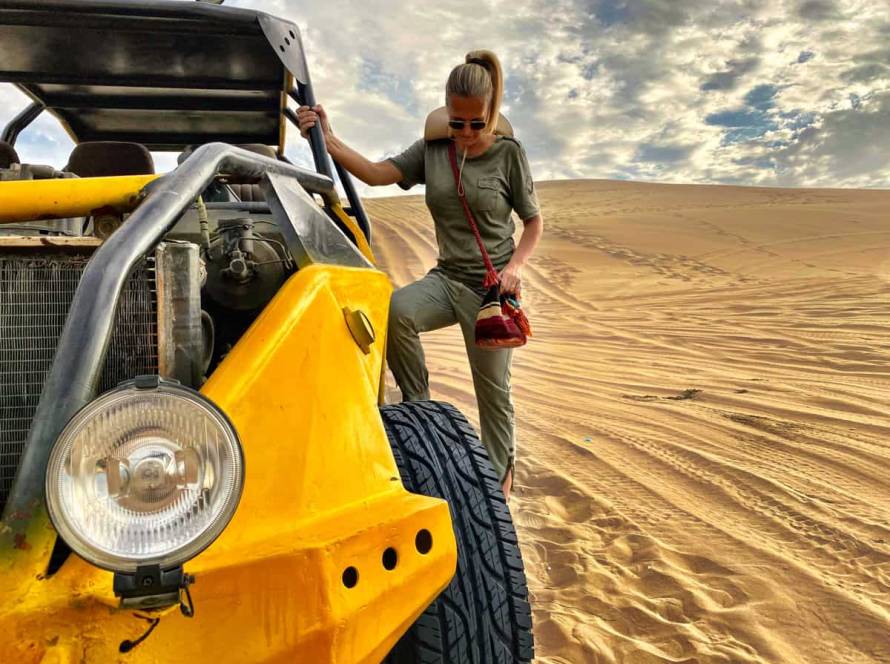
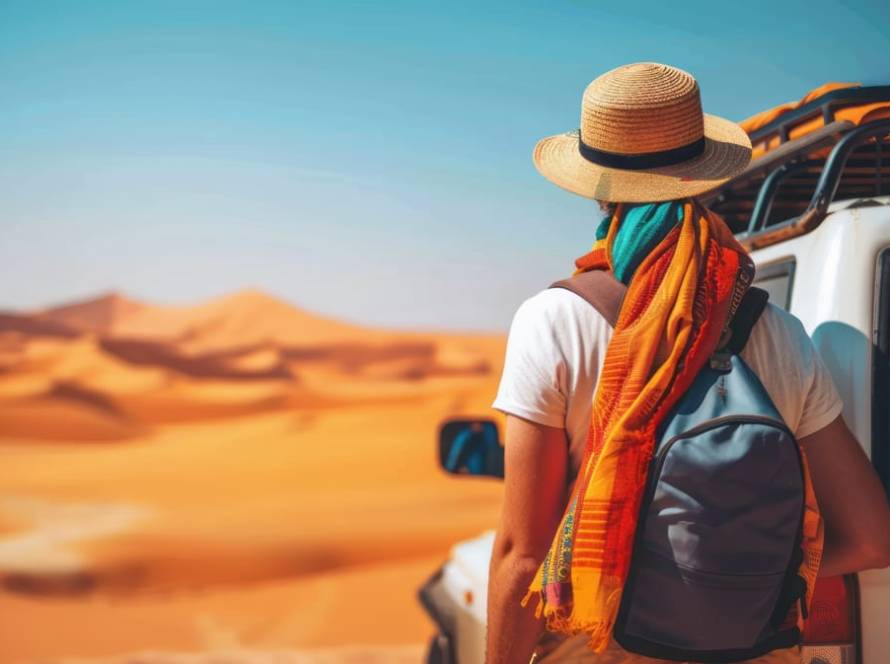
Imagine standing atop a towering dune, the golden sands of Dubai stretching endlessly toward the horizon while the Arabian sun paints everything in a warm, amber glow. You can already feel the adrenaline surging as you eye your dune buggy, ready to tackle the wilderness.
It’s an incredible thrill, but having spent years guiding travelers through these dunes, we’ve learned that your outfit can make or break the day. The right gear isn’t just about looking the part; it’s the difference between a dusty, uncomfortable ride and a delightful, world-class adventure. Choosing the correct clothes ensures you stay cool, safe, and focused on the fun.
The Essential Desert Buggy Checklist
If you’re in a hurry to get to the dunes, here is the golden rule: The best outfit for a Dubai dune buggy ride is lightweight, moisture-wicking clothing that covers your limbs to protect against the sun and sand.
To make things easy, follow this quick checklist to ensure you’re fully prepared for the ride:
-
Breathable, long-sleeved shirts: Protects your arms from the sun and any flying debris.
-
Flexible trousers or cargo pants: Allows you to climb in and out of the buggy easily while shielding your legs from engine heat.
-
Closed-toe shoes: Sneakers or lightweight boots are a must to keep your feet safe and sand-free.
-
Polarized sunglasses: These help you see the “drops” in the dunes clearly despite the bright glare.
-
UV-protection buff or scarf: Essential for covering your nose and mouth when the wind picks up.
By checking these boxes, you’ll stay comfortable and focused on the path ahead rather than worrying about a sunburn or itchy sand.
Which Fabrics Are Best for a Dubai Desert Buggy Ride?
The best fabrics for a desert buggy ride are synthetic “dri-fit” blends or linen. These materials pull sweat away from your skin and allow air to circulate, keeping you cool and dry even when the desert heat is at its peak.
When you’re out in the open dunes, the fabric you wear acts as your personal climate control system. Dubai’s heat is legendary, and once the adrenaline starts pumping, your body will naturally try to cool down. This is why “moisture-wicking” fabrics are a traveler’s best friend.
While a 100% cotton t-shirt feels great at home, it is actually a risky choice for a buggy adventure. Cotton acts like a sponge; it soaks up sweat and stays wet, becoming heavy, sticky, and restrictive. Instead, look for athletic “dri-fit” materials or synthetic blends. These are specifically designed for heat dissipation, pulling moisture away from your body so it can evaporate quickly in the dry air.
If you prefer natural fibers, linen is a fantastic alternative. Its loose weave allows the breeze to flow through easily, acting like a natural air conditioner. Choosing the right fabric ensures you stay dry and energized, rather than feeling like you’re wearing a heavy, damp towel halfway through your desert adventure.
What Kind of Shoes Should You Wear for a Dune Buggy Ride?
You should wear closed-toe shoes, such as sneakers with good grip or lightweight hiking boots. These provide the necessary traction for the pedals and protect your feet from hot sand, engine heat, and flying pebbles.
It is tempting to head to the desert in your favorite pair of flip-flops or stylish sandals, but for a dune buggy adventure, your footwear is actually a vital piece of safety equipment. Think of it this way: you are operating a powerful machine with foot pedals for acceleration and braking. To drive safely, your feet need a solid, slip-free grip on those pedals to stay in total control.
Sandals and flip-flops offer almost no traction and can easily slip off or get stuck under a pedal at exactly the wrong moment. Furthermore, the desert sand can get surprisingly hot, and the engine area of a buggy radiates a lot of warmth. Closed-toe shoes, like sneakers or lightweight boots, act as a protective barrier against the heat and stray pebbles. They also keep that fine, itchy desert sand away from your skin while you’re trying to focus on the trail. Save the flip-flops for the poolside; when you’re in the driver’s seat, sturdy, secure shoes are the only way to go.
How Do You Protect Your Face and Eyes From Desert Sand?
The best way to protect your face is by wearing a Shemagh (traditional scarf) paired with polarized sunglasses or goggles. This combination creates a protective seal that keeps fine dust out of your eyes, nose, and mouth while you ride.
When you’re tearing across the dunes in a 1,000cc buggy, the wind doesn’t just blow it carries fine silica dust that can feel like a “sand-blasting” treatment on any exposed skin. We’ve seen many riders start their journey with a big smile, only to spend the rest of the trip squinting and wiping grit out of their teeth. This is why having the right face and eye protection is absolutely non-negotiable.
While standard sunglasses are great for blocking the sun’s glare, the real secret to staying comfortable is the Shemagh, the traditional Arabic scarf. It is perfectly designed for the desert environment. To tie it like a local expert for maximum protection, follow these steps:
-
Place the scarf over your head with one side longer than the other.
-
Wrap the shorter end under your chin.
-
Pull the longer end across your face, covering your nose and mouth, and tuck both ends in securely at the back.
Pairing this scarf with polarized sunglasses or snug-fitting goggles creates a total seal against the flying sand. Not only does this keep your lungs and eyes clear of dust, but it also keeps your face surprisingly cool. Plus, there is a great practical bonus: it looks fantastic in your desert adventure photos!
Seasonal Considerations: Summer vs. Winter in the Desert
While Dubai is known for its year-round sunshine, the desert has its own unique weather patterns that might surprise you. If you are visiting during the peak summer months, your main goal is staying cool and shielded from the intense UV rays. However, if you are joining us during the “winter” season typically from December to February the rules change slightly.
The most important local secret we share with our guests is that the desert loses heat very quickly. Once the sun dips below the horizon, or even during an early morning sunrise tour, the temperature can drop significantly. It might feel like a perfect 25°C (77°F) in the city, but out in the open dunes, the wind chill from a fast-moving buggy can make it feel much nippier. We always recommend bringing a light windbreaker or a comfortable hoodie for these cooler sessions. You can always take it off if you get warm from the excitement, but having that extra layer makes the ride much more enjoyable when the desert breeze kicks in.
What NOT to Wear: Common Tourist Mistakes
Through years of guiding adventures, we have noticed a few fashion choices that tend to backfire once you hit the sand. First, leave the short skirts or dresses at the hotel. Dune buggies have high side bars and roll cages; climbing in and out requires a bit of agility, and trousers offer the modesty and protection you’ll want.
Another common slip-up is wearing heavy denim. While jeans are sturdy, thick denim is restrictive and holds onto heat, making it uncomfortable for a long ride. We also strongly advise leaving expensive jewelry like loose rings or dangly earrings in your hotel safe. The desert is a giant sandbox, and once a gold ring slips off into a 50-foot dune, it is gone for good! Finally, think twice about white clothing. The desert sand has a unique pigment that can turn your favorite white shirt a permanent shade of “desert orange” by the end of the day. Stick to darker or earth-toned colors to keep your wardrobe safe.
Safety Gear Provided by the Operator
While your personal outfit handles comfort, we take care of the heavy-duty protection. When you arrive at the site, a professional operator will provide you with the essential safety equipment needed for the ride. This typically includes a high-quality, sanitized helmet and, in many cases, specialized goggles and gloves to improve your grip and vision.
You might be focused on your desert style, but remember: the helmet is the most important “accessory” you will wear all day. No matter how experienced a driver you are, the desert can be unpredictable. Wearing the provided gear properly ensures that you stay protected while you’re pushing the limits on the dunes.
Post-Ride Prep: What to Pack in Your Bag
After an hour of kicking up dust, you’ll likely feel a mix of pure exhilaration and a fine coating of sand. Having a small “adventure kit” waiting in your car or locker makes the transition back to reality much smoother. First and foremost, pack a pack of wet wipes. They are a lifesaver for quickly cleaning your face, hands, and neck before you head back to the city.
Don’t forget to reapply sunscreen (SPF 50+) even after the ride, as the desert reflection continues to hit your skin. Bringing a spare change of clothes is also a great idea if you have dinner plans later; you’ll feel much fresher without sand in your pockets.
Pro Tip: Desert sand is incredibly fine and can easily scratch phone screens or camera lenses. Keep your electronics in a small “dry bag” or even a simple zip-lock bag. It keeps the grit out and ensures your photos of the golden dunes stay crystal clear. Finally, keep a bottle of water handy staying hydrated is the best way to recover from the desert heat.
Ready to Hit the Dunes?
Now that you’re dressed for the occasion and know exactly what to expect, the only thing left to do is experience the rush for yourself. There is nothing quite like the feeling of the wind on your face and the power of a buggy beneath you as you navigate the endless Dubai sands. By following these simple tips, you’ve taken the stress out of planning, leaving you free to focus entirely on the fun.
Ready to turn these tips into action? Book your premium Dune Buggy experience with us today we provide the gear, you bring the thrill. Let’s make some tracks!
Frequently Asked Questions About Dune Buggy Attire
Q: Can I wear shorts for a dune buggy ride in Dubai?
A: While you can wear shorts, long, flexible trousers or cargo pants are highly recommended. These provide a better barrier against the heat radiating from the buggy’s engine and protect your legs from flying sand and debris. Additionally, long pants make it much easier and more comfortable to climb in and out of the vehicle’s safety roll cage.
Q: Are flip-flops or sandals okay to wear while driving?
A: No, flip-flops and sandals are a safety hazard because they don’t provide a secure grip on the pedals. For the best control and safety, you should wear closed-toe shoes like sneakers or lightweight hiking boots. These stay firmly on your feet and protect you from the hot desert sand and engine heat.
Q: Do I need to bring my own helmet and safety gear?
A: You don’t need to bring your own specialized safety equipment. Professional tour operators provide all the essential gear, including sanitized helmets and often goggles or gloves. Your job is to wear comfortable, desert-appropriate clothing, and the experts will handle the heavy-duty protection.
Q: Will the desert sand ruin my clothes?
A: It won’t necessarily “ruin” them, but the fine red-orange sand in Dubai has a way of getting into every fiber. It is best to avoid wearing white or very light-colored clothing, as the sand can leave a permanent tint. Stick to darker colors or earth tones, and avoid wearing expensive jewelry that could easily be lost in the deep dunes.
Q: Is it cold in the Dubai desert during a buggy tour?
A: It depends on the time of day and the season. While the days are hot, the desert cools down rapidly after sunset. If you are booking a sunrise or sunset tour between December and February, the temperature can feel quite chilly once you start moving. In these cases, bringing a light windbreaker or hoodie is a smart move to stay comfortable.