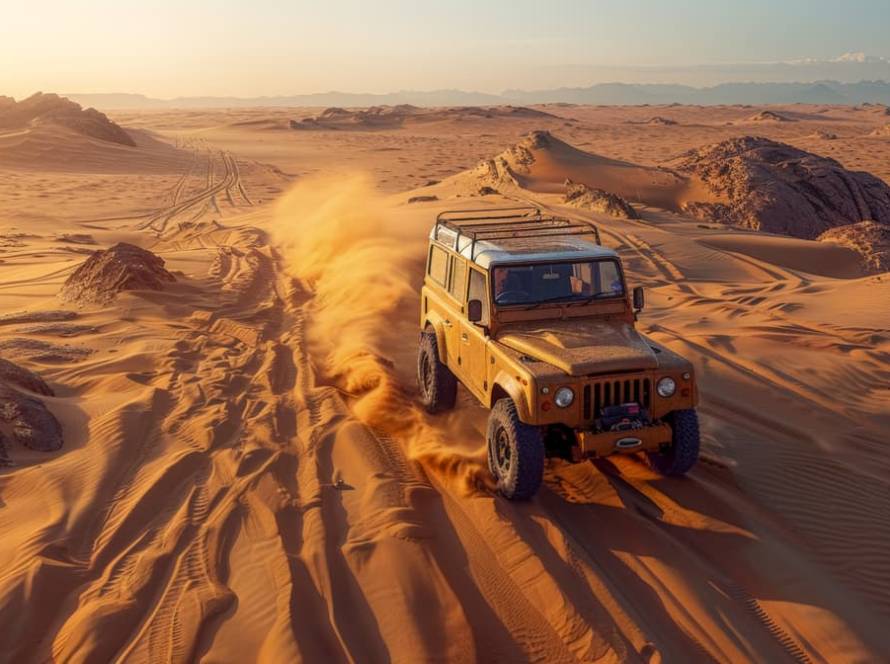
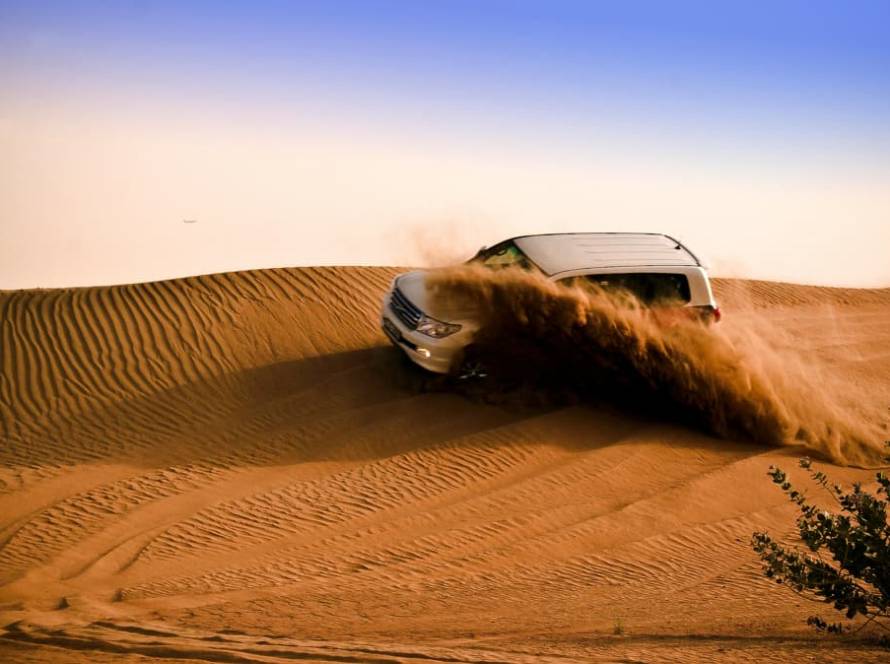
If you are packing your bags for a desert adventure and wondering about the dress code, here is the bottom line: Yes, you can absolutely wear shorts on a Dubai desert safari. There is no official law or strict religious requirement that forbids tourists from wearing shorts during these excursions. However, while they are allowed, they aren’t always the most practical choice for every activity.
When choosing your outfit, you need to balance the intense Arabian sun, the abrasive nature of the sand, and local cultural norms. While Dubai is very cosmopolitan and relaxed regarding tourist attire, choosing the right type of shorts can make the difference between a comfortable sunset dinner and an itchy, sunburnt ride back to the hotel. In the desert, “comfort” means more than just staying cool; it means protecting your skin from the elements.
Understanding the Dubai Desert Environment
Before you decide on shorts, it is essential to understand that the desert is a land of extremes. Unlike the humid, coastal air of Dubai Marina or Downtown, the open dunes of the Lahbab or Margham deserts experience a massive temperature swing. During the afternoon, the sun beats down with intense UV radiation, making the sand incredibly hot to the touch. However, as soon as the sun dips below the horizon, the lack of humidity causes the heat to escape rapidly. In the winter months (November to March), the desert can feel surprisingly chilly once the campfire starts, making bare legs feel the bite of the wind.
Then, there is the sand itself. While it looks soft and golden in photos, desert sand is highly abrasive. During a typical safari, you aren’t just sitting in a car; you are often outside for photos, sandboarding, or walking to the camp. If there is even a slight breeze, the wind picks up fine grains of sand that can sting against bare skin—a sensation often called “sand-blasting.”
As a tour expert, I always remind guests that the “feels like” temperature in the dunes is very different from the city. In the city, skyscrapers block the wind and trap heat. In the desert, you are completely exposed. If you choose to wear shorts, you are trading off protection against the wind and sand for a bit of extra airflow. Understanding this environment is the first step to picking an outfit that keeps you smiling from the first dune bash to the final dance performance.
Pros and Cons of Wearing Shorts on Safari
Deciding whether to wear shorts involves weighing the freedom of movement against the harsh elements of the Arabian desert. For many travelers, the primary benefit is maximum cooling. When temperatures soar above 40°C, having your legs free allows for better airflow, which can prevent overheating during the outdoor portions of the tour. Shorts also offer excellent mobility; if you plan on trekking up a steep dune for that perfect sunset photo, you won’t have heavy fabric restricting your stride. Additionally, cleaning up is simpler—sand brushes off skin much easier than it washes out of thick denim or cargo pockets.
However, there are significant drawbacks to consider. The most immediate risk is intense UV exposure. The desert sun is unforgiving, and even with high-SPF sunscreen, bare legs are prone to severe sunburn during a four-hour afternoon excursion. Then there is the “sand-burn” factor. During dune bashing or sandboarding, fine particles are often whipped up by the wind; these grains can act like sandpaper against exposed skin, causing irritation.
As the sun sets, new challenges arise. The desert is home to small insects and occasional mosquitoes near the camp greenery, and bare legs are an easy target. Furthermore, if you plan on camel riding, shorts can be quite uncomfortable. The coarse hair of the camel and the heavy material of the traditional saddles can chafe against your inner thighs, making a long ride less than pleasant.
To help you decide, here is a quick comparison of the most common clothing choices:
Comparison: What Should You Wear?
| Feature | Shorts | Linen Trousers | Leggings/Yoga Pants |
| Cooling | Excellent | Very Good | Moderate |
| Sun Protection | Low | High | High |
| Sand Protection | Low | High | Moderate |
| Camel Riding Comfort | Low | High | Moderate |
| Mobility | High | High | Excellent |
Cultural Sensitivity: When Shorts Are (and Aren’t) Appropriate
While Dubai is a global city that welcomes millions of visitors, it is rooted in a culture that values modesty. When you head out for a desert safari, you are stepping away from the urban skyline and into a more traditional setting. Understanding the local customs is not just about following rules; it is about showing respect to the hosts and staff who make these experiences possible.
The setting of your safari plays a major role in what is considered appropriate. If you are staying at a high-end, private desert resort, the dress code is typically relaxed, much like a luxury hotel poolside. However, most travelers book a shared Bedouin-style camp experience. These camps bring together people from all over the world, including local families and guides. In these shared spaces, dressing conservatively is the gold standard for being a respectful guest.
As a general guideline, I always recommend the “Knee Rule.” If you choose to wear shorts, aim for a length that reaches the knee. Very short shorts or “hot pants” can feel out of place and may draw unwanted attention in a family-oriented camp environment. Longer, loose-fitting shorts like Bermudas or cargo shorts—are the perfect middle ground. They keep you cool while ensuring you remain modestly covered while sitting on floor cushions for dinner or watching the evening performances.
By choosing knee-length options, you ensure that you are welcome in every part of the experience, from the mosque stops on the way to the desert to the traditional henna painting sessions at the camp. Being mindful of these small details ensures your desert adventure is memorable for all the right reasons.
Activity-Specific Clothing Recommendations
The desert isn’t just a backdrop for photos; it is an active playground. Each part of your safari places different demands on your clothing. If you are planning on participating in the “Big Three”—dune bashing, camel riding, and quad biking—what you wear on your legs matters more than you might think.
Dune Bashing
When you are strapped into a 4×4 vehicle for dune bashing, you are in for a bumpy, high-energy ride. Gravity will be pulling you in every direction. For this reason, secure clothing is essential. I highly recommend avoiding very loose skirts or extremely short shorts. You want something that stays in place while you are bouncing in your seat. Mid-thigh or knee-length shorts with a bit of stretch are ideal here, as they provide coverage and comfort without getting tangled in seatbelts.
Camel Riding
This is where shorts can become a bit tricky. Camels have coarse, wiry hair, and the traditional saddles are often made of thick, heavy wool or leather. This creates a significant “Friction Factor.” If you are wearing short-shorts, your inner thighs will be in direct contact with the saddle and the camel’s coat. After five or ten minutes of the camel’s swaying gait, this can lead to uncomfortable skin chafing or “saddle sores.” If a camel ride is high on your bucket list, wearing longer shorts that reach the knee or lightweight trousers will save you from a lot of irritation.
Quad Biking and ATVs
For those opting for a quad bike or ATV session, safety should be your priority. These engines generate a surprising amount of heat right between your legs. Additionally, the tires kick up a constant spray of sand and small pebbles. Having some fabric coverage—even just thin cotton—acts as a protective barrier against engine warmth and flying debris. It also makes it much easier to grip the bike with your knees for better control.
Evening Entertainment
As the adrenaline activities wind down, you’ll transition to the Bedouin camp for a BBQ dinner and live shows like belly dancing and the Tanoura dance. At this stage, you’ll be sitting on low floor cushions or “Majlis” seating. Longer shorts are much more practical for sitting cross-legged on the ground. Plus, as the desert air cools down during the show, you’ll be glad for any extra coverage you have.
The “Desert Pro” Packing List: Beyond the Shorts
Choosing whether to wear shorts is only half the battle. To truly enjoy the dunes like a professional, you need to coordinate your entire kit. The desert is a demanding environment, and the right accessories can turn a grueling day into a luxury experience.
Focus on Fabrics
When packing, look at the labels. You want natural, breathable fabrics like linen and cotton. These allow your skin to breathe and help sweat evaporate quickly. If you prefer athletic gear, moisture-wicking synthetics are a great alternative as they pull dampness away from your body. Avoid heavy denim or thick polyester, which can trap heat and become incredibly heavy and uncomfortable if you get a little sweaty during sandboarding.
The Footwear Dilemma
This is where most tourists go wrong. Sneakers are “sand magnets”—once a fine grain gets inside your socks, it stays there for the rest of the day, acting like sandpaper against your feet. On the other hand, flip-flops are a mistake for the dunes because they offer zero grip and often get “swallowed” by deep sand.
-
The Pro Tip: Wear secure sandals with ankle straps for the activities. They let the sand flow out but stay on your feet. Keep a pair of flip-flops in your bag to change into once you reach the carpeted floors of the Bedouin camp.
The Essential Pashmina or Light Scarf
For women (and even men), a lightweight pashmina is the ultimate desert multi-tool. It can be draped over your shoulders to protect against the midday sun, wrapped around your face if a gust of wind kicks up sand, or used as a shawl when the temperature drops during the evening fire show. It’s the easiest way to add a layer of modesty or warmth without carrying a bulky jacket.
Non-Negotiables: Sun and Sight
Finally, never enter the desert without polarized sunglasses and high-SPF sunscreen. The glare off the sand can be blinding, and the UV rays are significantly stronger in the open desert than in the city. Apply your first layer of sunscreen before you leave your hotel, and reapply after your dune bashing session.
Seasonal Adjustments: Summer vs. Winter Safari
Dubai’s desert doesn’t stay the same all year round, and neither should your wardrobe. Depending on when you visit, your choice of shorts might feel like a stroke of genius or a chilly mistake.
Winter (October–March): The Season of Layers
This is the peak time for desert safaris because the daytime weather is gorgeous—usually ranging from 25°C to 30°C. During the afternoon dune bashing, wearing shorts is perfectly comfortable. However, the desert is famous for its rapid temperature drops once the sun sets. By the time the belly dancing show starts at 8:00 PM, the temperature can plummet to 15°C or lower, especially with the desert wind.
-
The Pro Strategy: Start your day in shorts, but pack a hoodie, a light denim jacket, or a pashmina in your bag. You will almost certainly want to cover your legs or wrap up once you’re sitting at the camp for dinner.
Summer (April–September): Beating the Heat
Summer in the Dubai desert is intense, with temperatures often soaring past 45°C. During these months, staying cool is a matter of safety. While shorts are tempting, the sun is so strong that bare skin can burn in minutes.
-
The Pro Strategy: If you choose shorts, make sure they are loose-fitting. Tight clothing traps heat against your skin and can cause heat rash. Many experienced desert guides actually prefer thin, long linen trousers over shorts in the summer because they provide a “chimney effect,” allowing air to circulate while keeping the sun’s direct rays off the skin.
Conclusion & Expert Final Verdict
Conclusion & Expert Final Verdict
So, can you wear shorts on a Dubai desert safari? The answer is a resounding yes, provided you choose the right pair. After years of guiding guests through the dunes, my “Expert Verdict” is to aim for the best of both worlds. While short-shorts might look great in a quick selfie, they often fall short when it comes to the heat of a quad bike engine or the friction of a camel saddle.
For the ultimate balance of comfort, safety, and cultural respect, I recommend loose-fitting, knee-length cargo shorts or zip-off trekking pants. These give you the ventilation you need for the heat while protecting your skin from sun, sand-burn, and evening insects. Dressing for the activities ensures you spend your time enjoying the thrills rather than adjusting your outfit.
If you are looking for the absolute peak of desert adventure, many travelers agree that the Big Red dunes in Al Badayer offer the best safari ride in the region. The towering slopes there are perfect for testing those high-performance 4x4s and buggies. Pack smart, dress modestly, and get ready for an unforgettable Arabian night