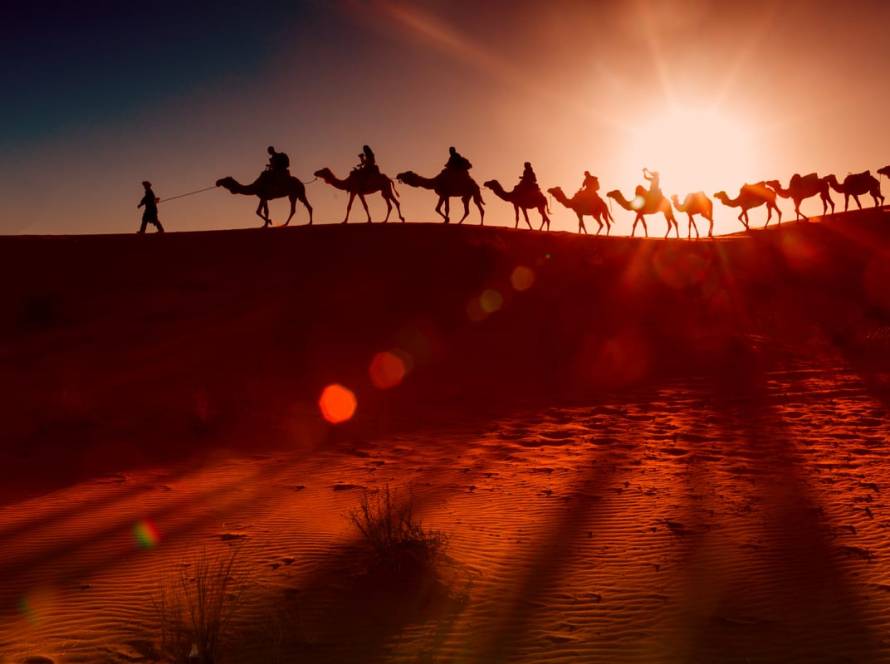
You’ve booked your desert adventure, and you can already feel the gentle sway of the camel beneath you, the warm sun on your face, and the vast, golden dunes stretching out as far as the eye can see. It’s a truly magical experience, but before you set off, you’ve probably got one big question on your mind: “What on earth do I wear?” Trust me, I’ve been there! I’ve seen it all, from travelers in full hiking gear to those who mistakenly thought a pair of flip-flops would do the trick.
Dressing appropriately for a camel ride isn’t just about looking the part for that perfect photo; it’s about ensuring you’re comfortable and safe while you explore the majestic Arabian Desert. The right clothes can protect you from the intense sun, the coarse camel saddle, and the desert sand, all while showing respect for the local culture.
That’s why I’ve put together this complete guide. I’ll walk you through everything you need to know, from the best clothing and footwear choices to essential accessories and practical tips for every season.
How to prepare for a camel ride in Dubai?
As I’ve guided countless visitors through the desert, I’ve learned that a great camel ride starts long before you even meet your camel. It begins with what you put on. Think of it as a uniform for your adventure, designed for comfort, protection, and cultural mindfulness. Here are the golden rules I always share with my guests:
1. Embrace Comfort and Mobility
The camel’s gait is a unique, rocking motion, and while it’s relaxing, it can be a little bumpy at times. That’s why the first rule is to wear clothing that allows for easy movement. Skip the tight jeans or restrictive materials. I always recommend loose-fitting, non-restrictive clothes that won’t chafe or pull as you move with the camel. The more comfortable you are, the more you’ll enjoy the ride.
2. Prioritize Sun Protection
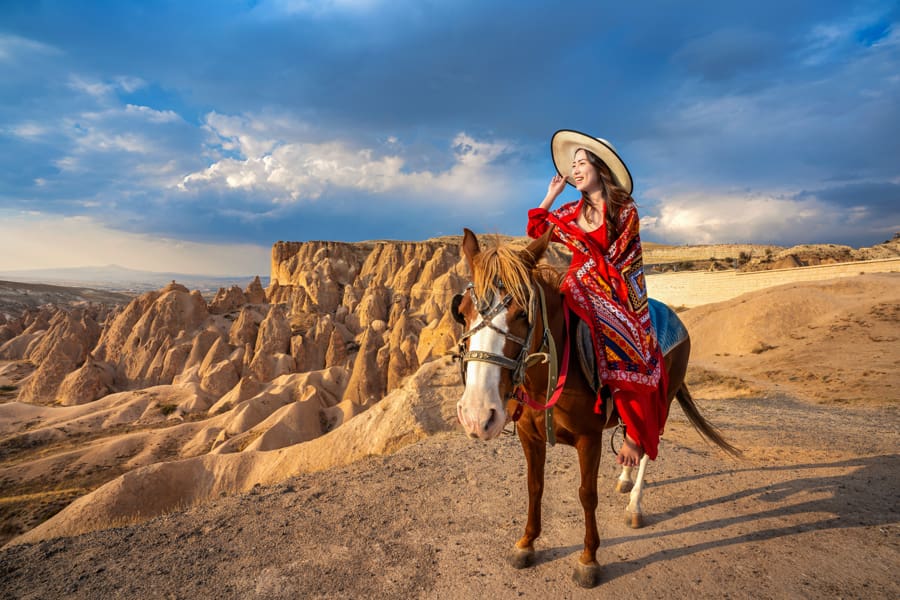
The desert sun, even on a cool day, is incredibly powerful. As someone who spends a lot of time out here, I can tell you that a sunburn can ruin your trip. This isn’t just about applying sunscreen (though you should absolutely do that!). It’s about using your clothes as your first line of defense. Think long sleeves, full-length pants, and a wide-brimmed hat. These items create a physical barrier between your skin and the sun’s intense UV rays, keeping you protected and cool.
3. Choose Breathable Fabrics
Even with the wind in your hair, the desert air can feel warm. The secret to staying comfortable is choosing fabrics that allow your skin to breathe. I always tell my guests to go for lightweight, natural materials like cotton, linen, and rayon. These fabrics are excellent at wicking moisture and keeping you from feeling overheated, which is a lifesaver when you’re out among the dunes.
4. Respect Local Traditions with Modesty
When we are out in the desert, we are in a place of deep cultural significance. A key part of showing respect is dressing modestly. This means covering your shoulders and knees. Not only is this respectful to the local Emirati culture, but it’s also a practical choice that offers additional sun protection. It’s a simple step that makes a world of difference and ensures you feel welcomed and integrated into the desert landscape.
What to Wear – Camel Ride Outfit Ideas in Dubai
Okay, now that we’ve covered the golden rules, let’s get down to the specifics of what to wear. This is my go-to guide for assembling the perfect camel-riding outfit, tried and tested on countless desert journeys.
Tops: The Right Shirt Makes All the Difference
When you’re choosing a top, think “light, loose, and long.” I always recommend a loose-fitting, long-sleeved shirt or blouse. Why long sleeves? They are your best defense against the powerful desert sun, protecting your arms from sunburn. Opt for materials like cotton or linen in light colors, which reflect the sunlight and keep you feeling cooler. A simple white, beige, or pastel-colored top works wonders and looks fantastic against the desert backdrop in photos!
Bottoms: Comfort is King
For the bottoms, you absolutely want full-length pants. I’ve seen some people try to wear shorts, and I can tell you it’s a mistake. The camel’s saddle can be rough, and shorts offer no protection, leading to chafing and discomfort. Plus, your legs will be completely exposed to the sun. My top recommendations are loose linen trousers, cargo pants, or wide-leg pants. They’re comfortable, breathable, and provide the necessary protection. For the ladies, a beautiful, long, flowing maxi dress can be a great option, but I highly recommend wearing a pair of light leggings underneath for extra comfort and to prevent any irritation from the saddle.
Footwear: What shoes to wear on a camel ride?
This is probably the most important piece of advice I give to my guests: Closed-toe shoes are essential! The sand gets incredibly hot, and you’ll be walking across uneven terrain before and after your ride. The last thing you want is sand blistering your feet. I always wear and recommend a comfortable pair of sneakers, light hiking boots, or sturdy closed sandals. Please, for your own comfort and safety, leave the flip-flops and open-toed shoes at home. They offer no protection, and you risk losing one as you dismount or walk through the dunes. Trust me, it’s a very easy way to turn a fantastic memory into a frustrating one.
Beyond the Basics – Essential Accessories
When you’re packing for your desert trip, the main outfit is just the beginning. The right accessories can truly elevate your experience, turning a good day into a great one by ensuring your comfort and protecting you from the elements. I’ve learned that these small additions make a huge difference.
Headwear: Your Personal Shade
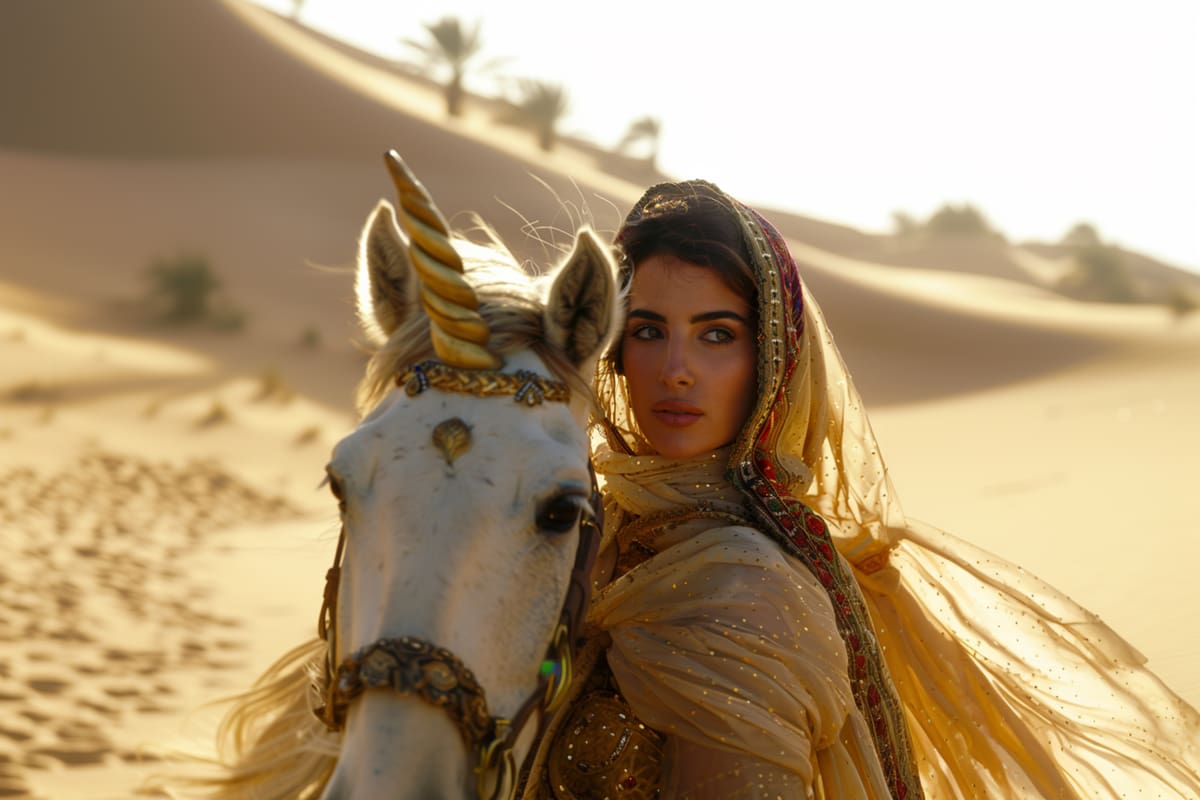
The sun is relentless in the desert, and protecting your face and neck is a must. I always advise bringing a wide-brimmed hat, which creates its own little patch of shade and helps keep you cool. Another wonderful option is a traditional scarf or headwrap, often provided by tour operators. I’ve found they’re not only culturally appropriate and look great in photos, but they’re also fantastic for keeping the sun off your head and neck while adding a layer of protection from the wind and sand.
Eyewear: A Shield for Your Eyes
Never, ever forget your sunglasses! They’re not just for style out here. A good pair of sunglasses with UV protection is your best friend. They shield your eyes from the bright, intense sunlight reflecting off the sand and, more importantly, act as a barrier against any blowing sand kicked up by the wind. I always keep a pair in my bag just in case.
Protection for Your Skin: The Little Things That Matter
While your clothes provide great physical protection, don’t underestimate the power of a good sunscreen. Choose a high-SPF, non-greasy formula and apply it generously to any exposed skin, especially your face, neck, and hands. Also, I’ve found that the desert air can be harsh on your lips, so a little lip balm can prevent them from getting chapped and uncomfortable.
Bags: Keep Your Hands Free
You’ll want to have your hands free to hold on, take photos, or simply enjoy the moment. A small, secure backpack or cross-body bag is the ideal choice. It’s just big enough for your essentials phone, camera, wallet, and water bottle without being bulky or getting in the way as you ride.
Layering: Be Ready for the Chill
Many desert safaris take place in the late afternoon, extending into the evening. While the daytime might be warm, the moment the sun dips below the horizon, the temperature can drop surprisingly quickly. I always tell my guests to bring a light jacket, a shawl, or a hoodie. You’ll be grateful for that extra layer of warmth as you enjoy the desert night, especially during the cooler months from November to February.
What to Avoid?
In all my years leading tours, I’ve learned that knowing what to wear is just as important as knowing what not to wear. I’ve seen a few common mistakes that have unfortunately made an incredible experience a bit less comfortable for some of my guests. So, to ensure you have the best time possible, here’s my list of what to leave at home.
1. Tight-Fitting Clothing
I know skinny jeans might be your go-to, but they are absolutely not suited for a camel ride. They will restrict your movement and can cause serious chafing and discomfort against the saddle, especially during a longer ride. You want to be able to move and shift easily, and a tight fit will only work against you.
2. Heavy or Non-Breathable Fabrics
Fabrics like thick denim, leather, or synthetic materials that don’t breathe well are a no-go. They trap heat and moisture, which can make you feel hot and sticky. Trust me, you’ll be much happier in light, breezy cotton or linen that lets your skin breathe.
3. Open-Toed Footwear or High Heels
This is a big one. Please, do not wear flip-flops, sandals, or any type of open-toed shoes. The desert sand gets scorching hot, and you’ll be walking on it before and after your ride. High heels are obviously impractical and dangerous on uneven ground. A comfortable pair of closed-toe shoes is non-negotiable for your safety and comfort.
4. Excessive or Dangling Jewelry
I’ve seen it happen, a necklace getting caught on the saddle or a loose bracelet getting snagged. It’s best to leave any delicate or dangling jewelry behind. It can be a safety hazard, and the last thing you want is to lose a precious item in the sand. Simple is always better for this adventure.
5. Shorts or Skirts Without Adequate Leg Protection
As I mentioned before, shorts leave your legs exposed to the sun and the rough texture of the camel saddle. Even a skirt, unless it’s a very long, flowing maxi with leggings underneath, won’t provide the necessary protection. You need to protect your skin from both the sun and the camel itself to ensure a comfortable ride.
Seasonal Considerations
The desert has a different personality depending on the time of year, and I always advise my guests to pack accordingly. I’ve guided tours in every season, and believe me, a little preparation makes a world of difference.
Summer (May – September): Beating the Heat
If you’re visiting during the summer, you’re stepping into the desert at its most powerful. The sun is intense, and the heat can be significant. My top priority for you is to stay cool and protected. This is when those loose-fitting, lightweight, airy fabrics like cotton and linen become absolutely non-negotiable. I can’t stress this enough: choose your clothing with breathability in mind. Make sure you’re covered from head to toe to prevent sunburn, as direct sun exposure can be very harsh. Think of your clothes as a barrier against the heat.
Winter (November – February): The Cool Desert
The winter months are my favorite time to be in the desert. The daytime weather is simply glorious, warm, and pleasant. However, the desert is famous for its dramatic temperature swings. The moment the sun begins to set, the temperature can drop surprisingly fast. Because of this, layering is the key to a comfortable experience. While you might start your ride in a T-shirt, I always recommend having a light jacket, a hoodie, or a shawl tucked away in your bag. You’ll be incredibly grateful for that extra layer of warmth as you watch the sunset or settle in for an evening under the stars.
Enjoying Your Desert Adventure
You’ve now got all the tools you need to prepare for your camel ride. As a professional camel ride operator in Dubai who’s shared this incredible experience with so many people, my final advice is simple: prioritize comfort, be smart about sun protection, and remember the importance of cultural mindfulness.
With the right outfit, you won’t have to worry about a thing. You can fully immerse yourself in the moment, the gentle sway of the camel, the vast silence of the dunes, and the breathtaking beauty of the desert landscape. It’s a journey that stays with you long after you’ve returned home, and I can’t wait for you to experience it for yourself. Happy travels, and I hope to see you in the desert soon!
FAQS
Q: Can I wear leggings or yoga pants for a camel ride?
A: While leggings are comfortable and stretchy, I generally don’t recommend them. The fabric can get very hot and sticky, and it offers little protection from the camel’s saddle, which can lead to chafing. Loose-fitting pants are a much more comfortable choice for the ride.
Q: Is it okay to wear a hat instead of a scarf?
A: Absolutely! A wide-brimmed hat is an excellent option. It provides great shade for your face and neck. Just make sure it’s a hat that fits snugly and won’t fly off in the desert breeze!
Q: Do I need to bring my own water?
A: We provide water for all of our guests, as staying hydrated is a top priority in the desert. However, having your own reusable water bottle is a great idea to make sure you always have a drink handy.
Q: What about dressing children? Are the rules the same?
A: Yes, the same principles apply for kids! Dress them in loose, comfortable, and breathable clothing that covers their arms and legs. A hat is a must for little ones, along with plenty of sunscreen to protect their delicate skin.
Q: What if my clothes aren’t very modest? Do I need to change?
A: We always appreciate guests who respect the local culture by dressing modestly. While we don’t require a strict dress code, I highly recommend covering your shoulders and knees. Not only is it a sign of respect, but it also offers far better sun protection for your journey.