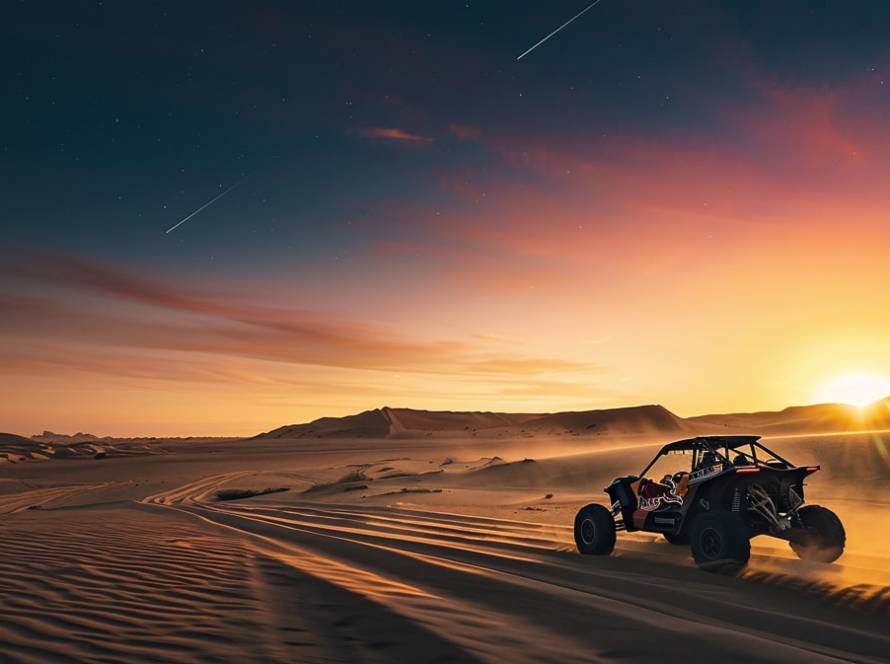
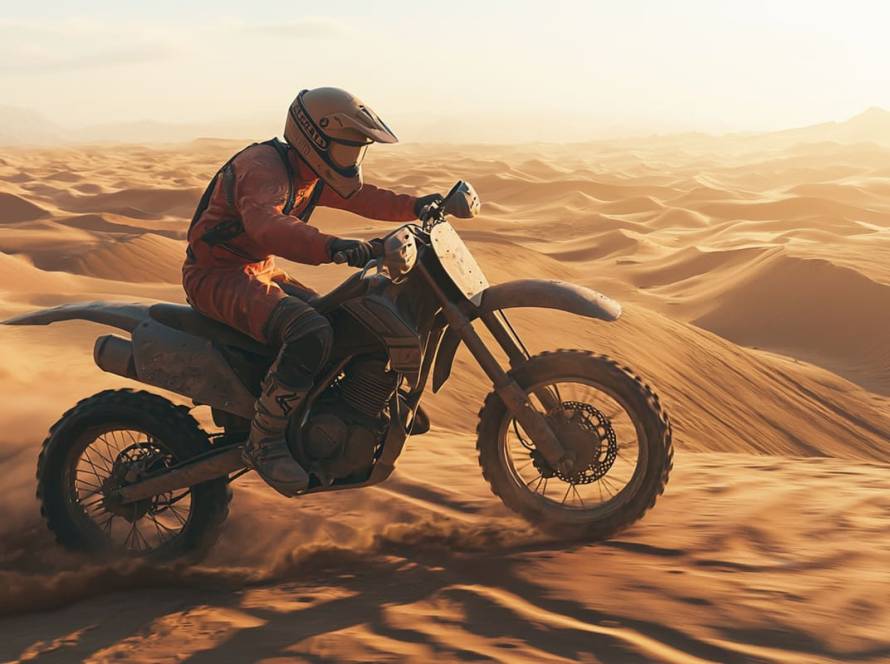
There is a specific moment in the Dubai desert, just as the sun begins to dip toward the horizon, where the landscape transforms. The harsh glare of the afternoon softens into a deep, glowing orange, and the ridges of the dunes cast long, dramatic shadows across the Rub’ al Khali. For a dirt biker, this “golden hour” isn’t just a photo opportunity; it is the ultimate signal that the sand is cooling, the grip is changing, and the world’s most iconic playground is open for business.
However, for many first-timers, the dream of an enduro adventure can quickly turn into a frustrating ordeal. I’ve seen travelers book the first “cheap” tour they find, only to show up and realize the bike is far too heavy for their frame, or the engine is struggling because it hasn’t been maintained for the desert’s brutal heat. Others mistake a technical dirt bike trek for a casual afternoon of dune bashing in a 4×4, failing to realize that wrestling a two-wheeled machine through shifting sands requires specific preparation and the right equipment.
Choosing the wrong operator doesn’t just ruin your photos it can compromise your safety. That is why I’m sharing these insider insights. As someone who lives and breathes these dunes, I want to ensure you find a tour that matches your actual skill level, uses professional-grade machinery, and respects the power of the desert. Whether you are a total novice or a seasoned rider, getting it right starts with knowing exactly what to look for before you ever kickstart an engine.
Is a Dirt Bike Tour Right for You?
Before you hit the “book” button, it is important to understand exactly what a dirt bike tour entails. Many visitors arrive in Dubai looking for desert thrills but aren’t quite sure which vehicle fits their goals.
The most common mix-up is between quad biking and dirt biking. A quad bike (ATV) has four wheels and stays stable on its own, making it a popular choice for families or those who want a relaxed sightseeing pace. A dirt bike, however, is a high-performance two-wheeled machine. It requires balance, physical coordination, and a bit of stamina. If you enjoy a challenge and want to feel a direct connection to the terrain, the dirt bike is your best bet.
To help you choose the right experience, we generally categorize riders into three groups:
-
Absolute Beginners: People who have never ridden a motorcycle or have only ridden street bikes. You will need a guided lesson and a lighter, more manageable bike.
-
Intermediate Riders: Those who ride regularly and feel comfortable with clutch control and shifting but might be new to deep sand.
-
Pro Riders: Experienced motocross or enduro riders looking for high-speed technical dunes and steep climbs.
Quick Facts: Dubai Dirt Bike Tours
| Feature | Details |
| Typical Duration | 2 hours to full-day excursions |
| Price Range | AED 800 – AED 2,500 (Depending on bike & duration) |
| Best Time of Year | October to April (Cooler weather) |
| Best Time of Day | Sunrise (coolest sand) or Sunset (best views) |
| Minimum Age | Usually 15+ years (varies by operator) |
| Physical Effort | High – be prepared for a workout! |
Choosing the right level ensures you don’t end up overwhelmed on a difficult trail or bored on a flat practice loop. Be honest about your experience so your guide can tailor the route to your skill set.
Red Dunes vs. Technical Trails: Choosing Your Desert Backdrop
Dubai’s desert is not just one endless flat plane of sand. Depending on where you head, the landscape changes dramatically, offering different challenges for your bike and varying rewards for your eyes. Knowing the difference between the popular riding spots will help you match the terrain to your comfort level.
Lehbab: The Majestic “Big Red” Dunes
If you have ever seen a postcard of the Dubai desert with towering, crimson-colored peaks, you were likely looking at Lehbab. This area is home to the famous “Big Red” dune. For a dirt biker, this is the ultimate playground for “flow” riding. The dunes here are high and steep, offering long, sweeping curves that allow you to practice your momentum and climbing. Because the sand is so fine and the views are so vast, it is the premier spot for photography. If you want that iconic shot of your bike perched on a razor-sharp ridge against a deep red backdrop, this is where you want to be.
Fossil Rock: The Technical Challenge
For those who want more than just sand, Fossil Rock (Jebel Maleihah) offers a mix of desert beauty and rugged technicality. As the name suggests, this area is famous for marine fossils embedded in the rock formations, but riders come here for the variety. You will find a combination of soft sand dunes and harder, rocky trails. This terrain is perfect for intermediate riders who want to practice navigating transitions between surfaces. It requires more precise throttle control and better balance, as the ground can change from soft powder to firm gravel in a matter of seconds.
Why a Guide is Non-Negotiable
Regardless of which terrain you choose, the desert is a deceptive environment. Dunes shift overnight with the wind, and what looked like a safe slope yesterday could be a vertical “drop-off” today.
Navigating the desert is notoriously difficult because landmarks are scarce and the sun can be disorienting. Professional tours use high-end GPS systems and, more importantly, seasoned local guides who understand the “language” of the sand. A guide doesn’t just show you the way; they read the texture of the dunes to steer you away from soft pockets that can trap a bike and ensure you are back at base before the sudden desert darkness sets in. Riding with an expert is the only way to ensure your adventure stays thrilling rather than becoming a rescue mission.
The Gear List: What We Provide vs. What You Should Bring
When you prepare for a desert ride, the equipment you use is just as important as the bike you sit on. The desert environment is unforgiving, and having the right setup can be the difference between a smooth ride and an exhausting one.
The Bikes: Built for the Sand
In Dubai, professional operators typically provide high-performance machines designed specifically for “enduro” or off-road conditions. For beginners and smaller riders, the Yamaha 250cc is a common favorite because it is lightweight, agile, and easier to handle in soft sand. More experienced riders often opt for the KTM 450cc, a powerhouse known for its torque and ability to climb the tallest dunes without breaking a sweat. These bikes are fitted with specialized “sand tires” that act like paddles to help you stay on top of the dunes rather than sinking into them.
Your Safety Armor
Safety is the foundation of every tour. Before you even touch the handlebars, you will be fitted with a full suit of protective gear. This isn’t just for show; it’s designed to protect you from the heat, the sand, and the impact of an occasional tumble. A standard professional gear kit includes:
-
Full-Face Helmet: Designed for airflow while protecting your head and jaw.
-
Goggles: Essential for keeping fine desert dust out of your eyes so you can maintain a clear line of sight.
-
Chest and Back Protector: A lightweight “roost deflector” or hard-shell armor to protect your torso.
-
Knee and Elbow Braces: To shield your joints during turns and protect against scrapes.
-
Motocross Boots: These are stiff, heavy-duty boots that protect your ankles and shins from the bike’s hot engine and the weight of the machine.
What You Should Bring (and Wear)
While the tour operator provides the heavy gear, what you wear underneath matters.
Pro Tip: Skip the Cotton. Many travelers make the mistake of wearing a basic cotton t-shirt. Cotton traps sweat and stays wet, which can actually make you feel hotter and lead to chafing under your armor. Instead, choose moisture-wicking “dry-fit” fabrics or specialized base layers. These help regulate your body temperature as you move.
Most importantly, respect the heat. Even on a “cool” day, the desert sun is intense, and temperatures can soar above 40°C. Riding is a physical workout, and you will lose fluids quickly. Start hydrating at least 24 hours before your tour begins. A professional tour will always provide water, but arriving well-hydrated is your best defense against heat exhaustion. Ensure you have high-factor sunblock for your neck and any exposed skin, and bring a pair of long socks to make wearing the riding boots more comfortable.
What to Expect: A Step-by-Step Breakdown of Your Adventure
Stepping into a professional dirt bike camp for the first time is an exhilarating experience. To help calm any pre-ride jitters, here is exactly how your desert journey will unfold, from the moment you arrive until you’re relaxing with a cold drink afterward.
Arrival and Safety Briefing
When you first arrive at the desert base, the atmosphere is usually buzzing with the sound of engines and the smell of high-octane fuel. Before you get anywhere near a bike, you will meet your lead instructor for a comprehensive safety briefing. This is the most critical part of the day. You’ll learn the hand signals used to communicate over the roar of the engines, how to properly mount and dismount on an incline, and the “rules of the road” or rather, the rules of the dunes. This briefing ensures everyone in the group is on the same page, prioritizing safety above all else.
The Practice Loop
Once you are suited up in your armor and helmet, we don’t just head straight for the massive dunes. Instead, every rider starts on a controlled practice loop. This flat, sandy area allows our guides to assess your comfort level with the clutch, throttle, and brakes. If you are a beginner, this is where you’ll learn the “friction zone”; if you’re an expert, it’s a chance to get a feel for how the bike responds to the day’s specific sand density. We only move out into the open desert once the instructor is confident that you can handle the machine safely.
The Ride: Reading the Sand
Now the real fun begins. As you follow your guide into the rolling landscape, you’ll begin to learn the art of “reading the sand.” The desert is constantly changing; darker patches might indicate moisture and more grip, while very pale, powdery sand usually means you need more throttle to avoid sinking. Your guide will pick lines that match your skill level, showing you how to “surf” the side of a dune and how to crest a ridge without bottoming out. It’s a rhythmic, physical experience that feels more like snowboarding than traditional motorcycling.
Post-Tour Recovery and Desert Culture
After an hour or two of intense riding, your muscles will be tired, and your face will likely be covered in a fine layer of desert dust the ultimate badge of honor. Back at the camp, the focus shifts to recovery. You’ll be greeted with chilled water, fresh juices, and often traditional Arabic coffee and dates. Many camps offer a relaxed “majlis” seating area where you can swap stories with other riders, check out the photos taken during the trip, and simply soak in the silence of the desert as the adrenaline begins to fade. It’s the perfect end to a high-energy day.
Understanding Costs and Booking Transparency
Budgeting for a desert adventure shouldn’t be as shifting as the sands themselves. In Dubai, prices for dirt bike tours are generally structured based on the level of personalization and the duration of the ride.
Price Tiers: Group vs. Private
Most operators offer two main ways to ride:
-
Group Tours: These are the most common and cost-effective. You’ll join a small group (usually 3–5 riders) of similar skill levels. Prices typically range from AED 800 to AED 1,500 for a two-hour session.
-
Private Coaching: If you are an absolute beginner or an expert looking for a tailored technical challenge, private sessions are the way to go. These sessions focus entirely on your technique and pace, with prices starting around AED 2,000 to AED 2,800 for a more intensive experience.
How much does a dirt bike tour in Dubai cost?
On average, a 2-hour guided dirt bike tour in Dubai costs AED 1,100 ($300 USD). This usually includes the bike rental, professional riding gear, fuel, water, and an experienced guide.
Avoiding Hidden Fees
To ensure the price you see is the price you pay, keep an eye out for these potential “extras” that can sneak into your final bill:
-
Transportation: Many desert camps are located 45–60 minutes outside the city. Check if hotel pickup and drop-off are included, or if there is an additional fee (often AED 150–200) for the transfer.
-
Damage Deposits: Some companies require a credit card pre-authorization or a cash deposit as security against bike damage. Always ask about their “damage policy” before signing the waiver.
-
Gear Upgrades: While standard safety gear is usually included, some premium helmets or “action camera” rentals (like GoPros) might carry a separate rental fee.
-
Insurance: Verify if basic medical insurance for off-road activities is included in the tour price or if you need to provide your own specialized travel insurance.
Clear communication with your operator during the booking process ensures you can focus on the ride rather than the receipt.
Essential Safety and Legal Requirements
Riding a dirt bike in the vast Dubai desert is a world-class experience, but because it involves high-performance machinery in a remote environment, there are specific legal and safety standards you must follow. Understanding these before you arrive at the camp will ensure your tour is smooth and compliant with local regulations.
Do You Need a License?
A common misconception is that you need a specialized international motorcycle permit to ride in the desert. For off-road recreational tours in designated desert areas, a road-legal motorcycle license is generally not required by Dubai authorities. Since you are not riding on public highways, the focus is on your ability to handle the bike rather than your permit status. However, most reputable operators will ask to see a valid form of ID (like your passport) and may ask about your riding history to ensure they assign you a bike that matches your capability.
Age and Height Restrictions
While the desert is a playground for all ages, dirt biking has stricter limits than quad biking due to the physical control required.
-
Minimum Age: Most professional operators require riders to be at least 12 to 15 years old for solo dirt bike tours.
-
The “Height Rule”: In Dubai, physical size often matters more than age. Operators usually look for a minimum height of approximately 140 cm (4’7″). This ensures the rider can safely reach the footpegs and maintain balance when the bike is stationary. For younger children, many camps offer two-seater buggies so they can still enjoy the thrills as a passenger.
Insurance and Liability
In the world of off-road adventure, safety is a shared responsibility. When you book a tour, you will typically sign a liability waiver. This document outlines that you understand the risks involved in desert riding.
-
What happens if the bike stalls? Mechanical support is part of the service. If your bike has a technical issue, your guide or the “sweep” vehicle will handle repairs or provide a replacement.
-
What happens if you fall? Most premium tours include basic first-aid support and have a chase vehicle nearby. However, it is highly recommended that your personal travel insurance specifically covers “off-road” or “extreme sports” activities, as standard policies often exclude motorcycle accidents.
Expert Advice: Why Quality Matters
It can be tempting to choose the cheapest tour available, but in the desert, you get what you pay for. “Budget” operators often save money by stretching the service intervals on their bikes or hiring less experienced guides. A high-quality operator invests in:
-
Strict Maintenance: Ensuring brakes, chains, and tires are inspected daily to prevent mid-desert breakdowns.
-
Medical Readiness: Keeping a fully stocked medical kit and a clear evacuation plan in the chase vehicle.
-
Guide Training: Employing guides who aren’t just fast riders, but are trained in desert navigation and emergency response.
Choosing a certified, well-reviewed operator isn’t just about luxury it’s about ensuring you have a team that can handle the unexpected while you focus on the ride.
Conclusion: Your Adventure Starts Here
There is a profound sense of accomplishment that comes with conquering the Dubai dunes. As you park your bike and look back at the trail you’ve carved through the shifting sands, the desert feels less like a hostile environment and more like a partner in your adventure. The physical challenge of the ride, combined with the sheer beauty of the open horizon, creates a transformative experience that stays with you long after the dust has been washed away.
To make the most of this journey, your first step is choosing a partner you can trust. Booking with a licensed, professional operator ensures that you are backed by top-tier equipment, expert navigation, and a team that puts your safety above all else. When the logistics are handled by experts, you are free to focus entirely on the throttle, the terrain, and the thrill.
A Final Local Insight: Once the engines are off and the adrenaline begins to settle, there is no better way to cap off the day than with a traditional Mandi a slow-cooked lamb and rice dish at a local desert camp. It is the authentic “rider’s fuel” that has sustained desert travelers for centuries. We look forward to seeing you out on the dunes!
Frequently Asked Questions
Q: Do I need a motorcycle license to ride a dirt bike in the Dubai desert?
A: No, you do not need a road-legal motorcycle license or an international driving permit. Because these tours take place off-road in designated desert zones, the legal requirements for highway riding do not apply. However, you will still need to provide a valid ID (like a passport) and demonstrate basic bike control during your initial safety briefing.
Q: Can I go on a tour if I have never ridden a motorcycle before?
A: Yes, beginners are welcome! Most professional operators offer specific introductory sessions. These start on flat, controlled terrain where a dedicated instructor teaches you the basics of balance, shifting, and throttle control. If it is your very first time, we recommend booking a private lesson to get one-on-one guidance before heading into the deeper dunes.
Q: What is the best time of day to book a desert ride?
A: The best times are early morning (sunrise) or late afternoon (sunset). During these windows, the temperature is much cooler, making the physical exertion easier to handle. Additionally, the “low sun” creates shadows on the sand, which helps riders “read” the depth and shape of the dunes more clearly than during the midday sun when the light is flat.
Q: What should I wear under my protective riding gear?
A: It is best to wear lightweight, moisture-wicking athletic clothing (like “dry-fit” gym wear). Avoid heavy cotton fabrics or denim, as they trap sweat and can lead to chafing under your chest protector and knee braces. We also suggest wearing long, thin socks to make the heavy motocross boots more comfortable throughout the ride.
Q: Is riding on sand harder than riding on a regular dirt trail?
A: Sand riding is more physically demanding because the terrain is constantly shifting. You have to maintain steady momentum and keep your body weight positioned further back on the bike to keep the front wheel from sinking. While it takes a bit of practice to get used to the “floating” sensation, the soft sand is much more forgiving than hard-packed dirt if you happen to take a low-speed tumble.