Dubai is world-famous for its towering skyscrapers and luxury shopping, but for those with a restless spirit, the real magic happens where the pavement ends. Just a short drive from the neon lights of Downtown Dubai lies the vast, untamed Arabian Desert, offering a playground that no five-star hotel can match.
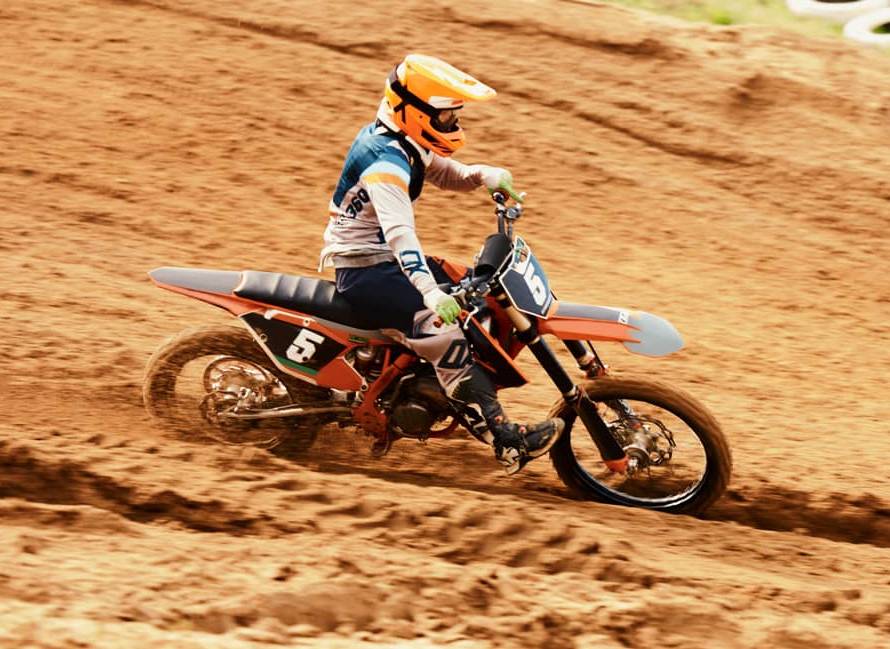
While most tourists see the desert from the window of a bus, adrenaline lovers know that the only way to truly feel the scale of the Red Dunes in Al Badayer is from behind the handlebars of a KTM 450cc. There is a raw, cinematic contrast in leaving the world’s tallest buildings behind to face a wall of sand that shifts with the wind. Whether you are a seasoned Enduro rider or a curious beginner, the desert offers a sense of freedom you simply can’t find anywhere else. This is why Dubai has become the ultimate global destination for off-road fans: it’s where world-class machinery meets the most breathtaking natural terrain on earth.
Why Choose Dubai for Dirt Biking?
Dubai is widely considered the world’s premier destination for desert riding because it combines natural beauty with world-class facilities. If you are planning a trip, here is why it stands out:
-
Unmatched Terrain: Access everything from the iconic “Big Red” dunes to technical gravel trails in the Hatta mountains.
-
Professional Infrastructure: Rental shops provide late-model bikes (like KTM and Husqvarna) that are meticulously maintained for the desert.
-
Ideal Climate: The riding season from October to April offers perfect outdoor temperatures and clear blue skies.
-
Accessibility: You can transition from a luxury city hotel to a remote desert trail in less than an hour.
The Topography: Beyond Just Sand
When you picture the desert, your mind likely goes straight to a sea of endless, rolling orange hills. While that is a huge part of the magic, the terrain here is surprisingly diverse, offering a completely different experience depending on where you point your tires.
The Giant Dunes: Nature’s Rollercoaster
If you are looking for that classic, breathtaking desert experience, you head for the massive sand dunes like the famous “Big Red.” These are the giants of the desert—steep, towering slopes that feel like riding a natural rollercoaster.
The most fascinating thing about the sand is that it is never the same twice. Because of the wind, the “track” is redesigned by nature every single night. A peak that was sharp yesterday might be a smooth bowl today. This shifting landscape means you have to stay sharp and learn to “read” the sand, looking for the shadows that reveal the crests and drops of the dunes.
Technical Tracks and Rocky Paths
Moving away from the soft sand, the landscape transitions into gravel plains and technical terrain. This is where the ride changes from flowing glides to precise maneuvers. In areas near the Hatta mountains, you’ll encounter wadi riding—navigating through dry riverbeds filled with smoothed stones and firm earth.
Unlike the soft landing of a dune, these rocky paths require a bit more focus on your steering and balance. It is a rugged, earthy style of riding that makes you feel like a true explorer. You aren’t just hovering over sand; you are tackling the literal bones of the landscape.
A New World Every Morning
Whether you are carving through the soft, powdery silk of the open desert or navigating the firm, winding tracks of the mountain foothills, the topography ensures no two trips feel identical. One day you might be testing your power on a vertical climb, and the next, you’re weaving through a maze of low-lying shrubs and flat plains. It is this constant variety that keeps riders coming back—the desert is a living thing, and it always has a new challenge waiting for you.
Machine Power: The Gear and the Grunt
Choosing the right machine is about more than just speed; it’s about having a partner that can handle the unique “drag” of the desert. When you’re riding in deep sand, the ground is constantly trying to pull you down, which means your bike needs a specific kind of “grunt” to keep you on top of the surface.
Finding the Right Engine
In the world of desert riding, you’ll often choose between two types of engines:
-
4-Strokes (The Reliable Workhorses): Models like the Yamaha WR450F or the KTM 450 EXC-F are legendary in the dunes. They provide smooth, consistent power that helps you maintain momentum. Since sand requires a steady throttle, the predictable “torque” of a 4-stroke makes it much easier to climb big hills without losing steam.
-
2-Strokes (The Light & Snappy): Bikes like the Husqvarna TE 300 are favorites for riders who love a lightweight feel. They are incredibly agile, though they require a bit more “work” from the rider to keep the engine in the sweet spot.
Beating the Heat
The desert is a demanding environment, and heat is the biggest enemy of any engine. This is why fuel-injected bikes have become the gold standard. Unlike older bikes with carburetors that can struggle as temperatures rise or altitudes change, fuel injection automatically adjusts to keep the bike running perfectly. To help with this, high-end desert bikes come with advanced cooling systems, often including electric fans, to ensure the engine doesn’t overheat while you’re working hard in a soft sand bowl.
The Right “Shoes” for the Sand
Finally, you can’t overlook the tires. Standard dirt tires often just spin and dig a hole in soft dunes. Many riders switch to specialized sand tires (often called paddle tires). These have large, scoop-like ribs that act like a riverboat’s paddle, pushing massive amounts of sand behind you to catapult the bike forward. With the right gear and a liquid-cooled engine, you aren’t just fighting the desert—you’re mastering it.
Navigating the Desert Securely
Riding into the vast expanse of the desert is an incredible rush, but because you are dealing with extreme temperatures and unpredictable terrain, safety isn’t just a suggestion—it’s the foundation of the entire experience. Taking care of yourself and your gear ensures that your adventure ends with great memories rather than a trip to the clinic.
The Essential “Armor”
In the desert, the ground can be harder than it looks, and the sun is relentless. Proper protective gear is your first line of defense.
-
Motocross Boots: These aren’t just heavy boots; they are designed to support your ankles and shins against the weight of the bike and impact from stray rocks.
-
Body Armor & Neck Braces: A lightweight chest protector guards against “roost” (the sand and stones kicked up by other bikes), while a neck brace helps stabilize you during sudden bumps or falls.
-
The Right Helmet: A well-ventilated MX helmet is vital to keep your head cool while providing maximum protection.
Why You Shouldn’t Go Alone
The desert can be disorienting. What looks like a simple dune from one side might have a “witch’s eye” (a hidden, steep drop) on the other. This is why riding with professional desert guides is highly recommended. These experts know the “language” of the sand and can navigate the safest paths. Most reputable tours now use GPS tracking systems and satellite communication, so even in areas where your cell phone has zero bars, help is always a button-press away.
Beating the Heat: Hydration Protocols
In the Dubai heat, you can lose fluids much faster than you realize. Heatstroke is a real risk if you wait until you’re thirsty to drink water.
-
The 15-Minute Rule: Take small sips of water or electrolyte drinks every 15 minutes, even if you feel fine.
-
Hydration Packs: Wearing a backpack with a water bladder and a drinking tube is the easiest way to stay hydrated without having to stop and unpack every time.
-
Know the Signs: if you start feeling dizzy, get a headache, or stop sweating, it’s time to stop immediately, find shade (even if it’s just in the shadow of your bike), and cool down.
By respecting the environment and wearing the right gear, you turn a high-risk environment into a controlled, thrilling playground. Taking these steps doesn’t just keep you safe; it gives you the confidence to actually enjoy the ride.
Dirt Biking vs. Dune Bashing: Which Is for You?
When planning a desert adventure, you’ll likely come across two main options: dune bashing in a 4×4 or heading out on a dirt bike. While both happen in the same beautiful landscape, they offer completely different experiences depending on how much “control” you want over your day.
The 4×4 Safari: Sit Back and Enjoy the Ride
Dune bashing is the classic desert experience. You hop into a powerful SUV with a professional driver who handles all the technical work. It’s a “passive” adventure—you’re the passenger, enjoying the stomach-flipping drops and the spray of sand against the windows. It’s perfect for families, groups, or anyone who wants to see the sights and take photos without worrying about the mechanics of driving. It’s social, comfortable, and generally low-effort.
Dirt Biking: You’re in the Driver’s Seat
Dirt biking, is an “active” adventure. It isn’t just a tour; it’s a skill. From the moment you kick-start the engine, you are the one in charge. Every twist of the throttle and every lean into a turn is your decision. This “self-drive” aspect is incredibly empowering. You aren’t just watching the desert through a window; you are feeling the vibration of the bike, the wind on your face, and the physical satisfaction of conquering a steep dune on your own.
If you prefer a relaxing evening with friends, go for the 4×4. But if you want a sense of personal achievement and the thrill of mastering a machine, nothing beats the raw, hands-on connection of a dirt bike.
Essential Guide: Skill Levels & Training
One of the biggest myths about desert riding is that you need to be a pro to get started. In reality, the desert is a vast classroom with plenty of room for every level of rider, provided you have the right guidance.
Beginners: Sand Riding 101
If it’s your first time, the biggest challenge is the “weight” of the sand. Unlike hard dirt, sand creates drag that wants to stop your bike. The secret to mastering it is maintaining momentum.
When you feel the bike start to wiggle or sink, your instinct might be to slow down, but in the sand, “gas is your friend.” Keeping a steady, slightly rearward body position takes the weight off the front wheel, allowing it to float. Beginners usually start on the flatter plains and smaller “baby dunes” to get a feel for how the bike dances underneath them before heading to the bigger hills.
Intermediate & Advanced: The Enduro Challenge
For those who already have dirt biking experience, the desert offers specialized Enduro tours. These are less about sight-seeing and more about technical skill. You’ll navigate tighter ridges, steep descents, and long-distance treks that test your stamina.
Pro Tip: Mastering the “Bowls”
As a local operator, the question I get most is how to ride the “bowls”—those deep, circular depressions in the dunes. The trick is to treat them like a velodrome or a skate park.
-
Don’t fight the bottom: If you ride straight into the center, you’ll lose speed and get stuck.
-
Keep your line high: Enter the bowl with enough speed to stay high on the “wall.”
-
Look where you want to go: Your bike follows your eyes. If you look at the bottom of the pit, that’s where you’ll end up. Look at the exit, keep the throttle steady, and let the centrifugal force carry you around and out.
With a little bit of practice and the right coach, you’ll go from feeling “stuck” to feeling like you’re flying in no time.
Logistics: Best Time to Ride & What to Bring
Timing is everything when it comes to the desert. To have the most comfortable and visually stunning experience, you really want to aim for the winter season, which runs from October to April. During these months, the air is crisp, and the sand isn’t absorbing the intense heat of the summer sun, making it much easier on both you and your bike’s engine.
The Magic of the Sunrise Tour
If you’re looking for the “holy grail” of riding sessions, book a sunrise tour. There are two major reasons for this:
-
Temperature Control: Starting at dawn means you finish your ride before the midday heat kicks in. It’s the coolest part of the day, allowing you to ride harder for longer without getting exhausted.
-
The “Golden Hour”: As the sun peeks over the horizon, the desert is bathed in a soft, glowing light. For photography, this is unbeatable. The long shadows define the ridges of the dunes, and the sand takes on a deep orange hue that looks incredible in photos.
Many of the best trails wind through or near the Dubai Desert Conservation Reserve, where the landscape is pristine. To make the most of it, bring high-quality polarized sunglasses for the glare, plenty of sunscreen, and a lightweight base layer to wear under your armor. Showing up early ensures you catch that perfect light and the freshest, untouched sand of the day.
Conclusion: Your Desert Legacy Awaits
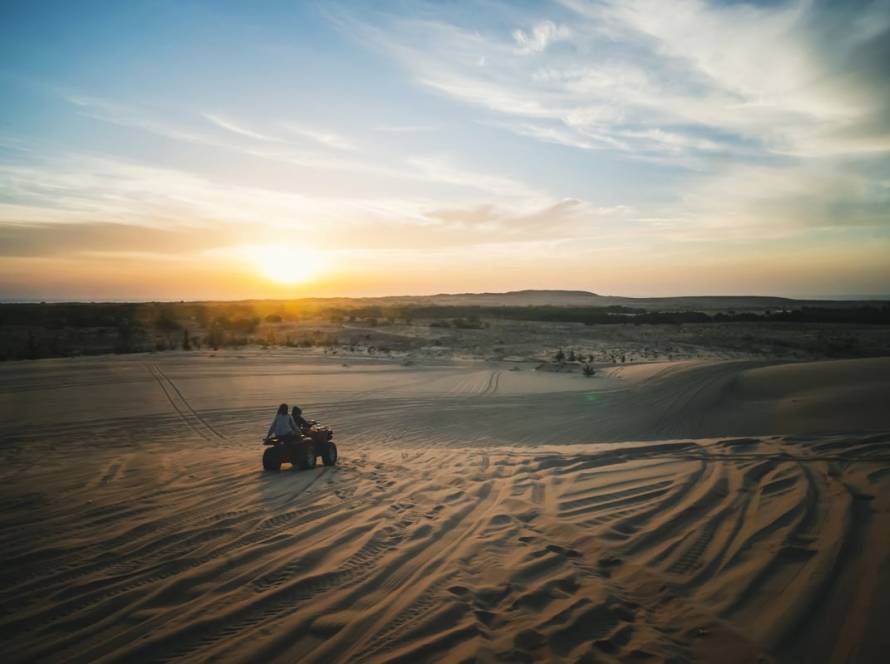
At the end of the day, dirt biking in Dubai is about much more than just speed or machinery. It is about those rare moments of total contrast—the heart-pounding rush of climbing a massive dune followed by the profound, peaceful silence that only the deep desert can provide. As you watch the sun dip below the horizon, painting the sky in shades of purple and gold, you’ll realize this isn’t just another activity; it’s a bucket list adventure that stays with you long after the sand has been washed off your boots.
Whether you are seeking the ultimate thrill on one of our Dubai adrenaline tours or simply want to connect with nature in a way few ever get to, this is your chance. You’ll leave with more than just photos; you’ll leave with the confidence of having mastered a challenging landscape. Don’t let the desert remain a distant view from a window. Step into the driver’s seat and create your own unforgettable desert experience today.
Ready to kickstart your journey? Book your ride today and create your own unforgettable desert experience!