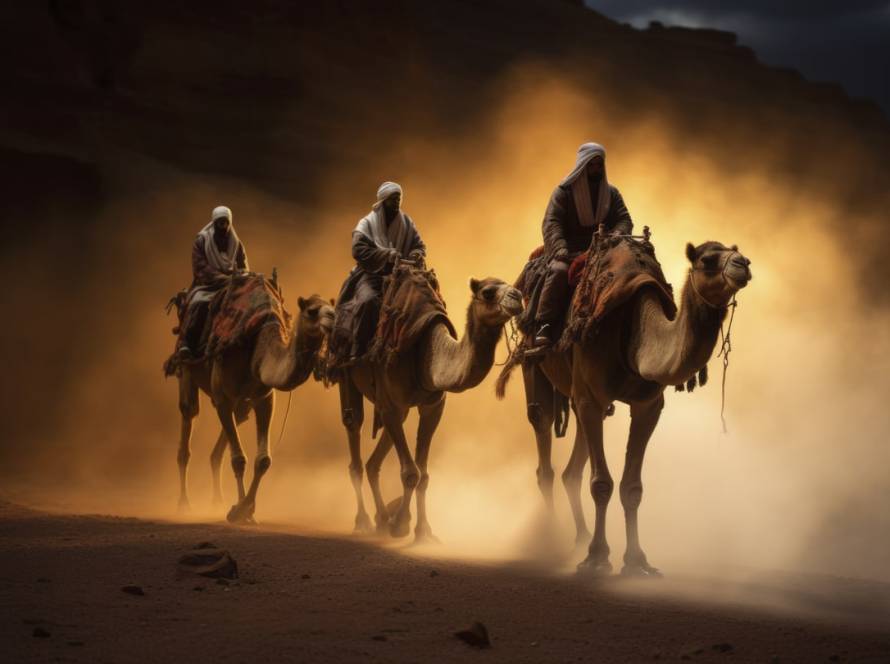
Imagine standing atop a towering crimson dune, the sun dipping below the horizon in a blaze of violet and gold. The air cools, the silence of the vast Arabian desert wraps around you, and for a moment, everything is perfect. This is the dream of the Dubai desert safari. However, for many travelers, this dream quickly dissolves into the frustration of a cramped, bumpy bus ride, lukewarm food, and a “tourist trap” atmosphere that feels anything but authentic.
Even the most experienced globetrotters often make simple, avoidable mistakes when booking their desert adventure. Because the Dubai safari market is flooded with endless options, it is easy to fall for flashy photos that don’t match the reality on the ground. As a local operator who lives and breathes these sands, I want to pull back the curtain. A high-quality desert safari should be a seamless blend of pulse-pounding adventure, professional safety standards, and genuine Bedouin hospitality. This guide will show you how to sidestep the common pitfalls and secure the soulful, thrilling desert experience you actually came for.
The “Cheap Price” Trap: Why $20 Safaris Often Fail
It is incredibly tempting to browse discount travel sites and click on the lowest price possible sometimes as low as $20 or $30. In a city known for luxury, these deals look like a steal. However, in the Dubai desert, you truly get what you pay for. To understand why these “budget” deals often fail, you have to look at the math behind a quality operation.
A premium safari involves high-performance 4×4 vehicles, specialized desert insurance, significant fuel consumption, and highly trained drivers. When a tour is sold at rock-bottom prices, the operator must cut corners to remain profitable. Usually, the first thing to go is your personal space. Instead of a comfortable ride, you may find yourself squeezed into a “crammed” car with seven other passengers, leaving you with no room to move and a restricted view of the dunes. Some budget operators even use older buses for the long highway stretch, only transferring you to a 4×4 at the very last minute to save on fuel.
The most concerning “hidden cost,” however, is your safety. Professional dune bashing requires vehicles equipped with internal roll-cages and specialized suspension systems that must be inspected frequently. Budget companies often skip this rigorous maintenance. Furthermore, top-tier desert drivers are highly skilled professionals with specific licenses. Low-cost tours often hire inexperienced or freelance drivers who may not have the expertise to navigate shifting sands safely.
There is also the matter of the “authentic” dinner. A quality safari invests in fresh, hygienic, and diverse buffet spreads. On a $20 tour, the food is often prepared in bulk at off-site industrial kitchens and transported over long distances, which can lead to issues with food safety and taste. When you factor in the high risk of a mechanical breakdown or a lackluster meal, that “cheap” ticket ends up costing you your evening. Choosing a reputable operator ensures that your money supports high safety standards, fair wages for drivers, and a meal that is actually worth eating.
Timing Blunders: Why “When” You Go Matters
In Dubai, the clock and the calendar are just as important as the destination. One of the most common mistakes tourists make is assuming the desert is the same all year round. During the peak of summer, temperatures can soar to 45°C (113°F). If you book an afternoon safari in July without realizing the heat stays trapped in the sand, the experience can be more exhausting than exhilarating. Conversely, winter nights in the desert are surprisingly chilly. Many visitors arrive in light t-shirts only to find themselves shivering once the sun goes down and the desert floor loses its heat.
Timing your arrival is also a high-stakes game. Many guests underestimate Dubai’s traffic or the time it takes to reach the conservation reserves. Arriving even twenty minutes late can mean the difference between standing on a pristine dune for the perfect golden-hour photo and watching the sunset from the window of a moving car.
To get the most out of your trip, you must choose the right “type” of timing. If you are an adrenaline junkie, a morning safari is often best; the sand is firmer, the air is crisp, and the focus is entirely on the drive and sandboarding. However, if you want the full cultural experience henna painting, fire shows, and a traditional dinner under the stars the evening safari is the standard choice. For those seeking true peace, an overnight stay allows you to see the desert at its most magical: dawn. Choosing the wrong time slot often means missing the specific version of the desert you were dreaming of.
Wardrobe Malfunctions: Beyond the “Gram”
While everyone wants that iconic photo in a flowing dress or a sharp suit, dressing purely for social media is a mistake that can lead to a very uncomfortable evening. The desert is a beautiful but harsh environment, and your clothing needs to be as functional as it is fashionable.
The biggest error tourists make is in their choice of footwear. You might think expensive sneakers or sturdy hiking boots are the way to go, but sand is relentless. It will find its way into every lace-hole and seam, leaving you with heavy, gritty shoes for the rest of your trip. High heels are even worse; they sink directly into the dunes, making it nearly impossible to walk and increasing the risk of a twisted ankle. The professional secret? Wear high-quality flip-flops or sandals. They are easy to shake out, and better yet, they allow you to kick them off quickly to feel the soft sand between your toes.
When it comes to your outfit, think in terms of breathable fabrics like cotton or linen. These materials allow air to circulate around your body, helping you stay cool during the heat of the afternoon. While there is no strict “uniform,” choosing modest desert attire is a sign of respect for local customs especially when visiting the traditional Bedouin-style camps. Loose-fitting trousers or long skirts are ideal because they protect your skin from the sun and sand while keeping you cool.
Finally, do not let the afternoon sun fool you. Once the sun disappears, the desert undergoes a rapid temperature drop. A common “hidden mistake” is failing to bring a light jacket or pashmina. By the time the Tanoura dance starts and dinner is served, the desert breeze can feel quite biting. Packing a light layer ensures you stay cozy while enjoying the entertainment under the stars.
Food and Hydration Errors: Staying Safe in the Heat
One of the quickest ways to ruin a desert safari is to underestimate how the combination of heat and movement affects your body. Many travelers treat the day like a standard sightseeing tour, but a safari is a physical activity that requires a bit of internal preparation.
The “Motion Sickness Trap” is a common issue for those excited about dune bashing. While the roller-coaster-style maneuvers over the dunes are a highlight, they can be tough on a full stomach. A major mistake is eating a heavy, greasy meal right before your pickup. To enjoy the ride without discomfort, it is best to eat a light snack two to three hours before the journey begins. If you are prone to motion sickness, let your driver know early; they can adjust the intensity of the drive to ensure you stay comfortable.
Staying hydrated is your next priority. While almost every tour includes unlimited soft drinks and “sugary juices,” these are not substitutes for water. The desert air is incredibly dry, and you will lose moisture faster than you realize. A hidden mistake is waiting until you feel thirsty to drink. By that point, you may already be facing the early stages of a headache or fatigue. Make a conscious effort to sip plain water consistently throughout the afternoon to keep your energy levels up and prevent heat-related exhaustion.
Lastly, don’t overlook the importance of communication regarding your meals. Because safari dinners are often served buffet-style in remote camp locations, it can be difficult for staff to accommodate last-minute requests. Many tourists wait until they are in the desert to mention they are vegan, gluten-free, or have severe nut allergies. To ensure you have a safe and delicious dinner, always inform your tour operator of your dietary needs at the time of booking. This allows the kitchen to prepare a meal that is both safe and satisfying for you.
Photography Failures: Missing the Moment
The Dubai desert is a photographer’s paradise, but it is also a hostile environment for expensive electronics. One of the most common frustrations for tourists is the “Dead Battery Syndrome.” High temperatures can cause smartphone batteries to drain significantly faster than usual. Many visitors spend the entire drive taking videos, only to find their phones dead exactly when the sun begins its spectacular descent. To avoid this, keep your phone in a shaded spot inside the car and carry a portable power bank.
Another “hidden” mistake is underestimating the power of desert wind. If you are using a professional camera, never change your lenses while standing out in the dunes. Fine grains of silica sand are abrasive and can drift into your camera’s sensor in seconds, causing permanent damage or spots on every future photo. It is best to choose one lens before you leave the vehicle or perform any swaps inside the protected cabin of the car.
Finally, be wary of the “Professional Photo Trap” at the desert camps. While the photographers on-site are skilled, they often charge premium prices for printed shots you could easily take yourself. Don’t feel pressured into a long photoshoot if you’d rather enjoy the sunset. If you do want a professional memento, ask for the price upfront and check if they offer digital copies, which are much easier to share and preserve.
Cultural Etiquette & Interaction Fails
Exploring the desert isn’t just about the dunes; it’s a journey into the heart of Bedouin heritage. However, many tourists unintentionally cause offense or miss out on genuine connections because they aren’t aware of local etiquette. When interacting with falconers, remember that these birds are highly respected symbols of UAE culture, not just photo props. Always ask for permission before taking a photo, and follow the falconer’s instructions strictly to ensure the bird feels safe. Similarly, when visiting the henna tent, it is polite to show appreciation for the artist’s intricate work. A small tip is often a kind gesture for this traditional craft.
A major point of confusion for international visitors involves alcohol. While many desert camps do serve beverages at a designated bar, the atmosphere remains family-friendly and rooted in tradition. It is a mistake to assume the camp is a “party” zone; loud or disruptive behavior is generally frowned upon. Furthermore, if your safari falls during a religious holiday or a day of mourning, alcohol service and live entertainment (like belly dancing) are strictly prohibited by law across the country. Check the local calendar before you book so your expectations match the reality of the evening.
So, what is the etiquette for a Dubai desert safari? In short: dress modestly, ask before you film or photograph locals, and embrace the hospitality with an open mind. By showing respect for these traditions, you’ll find that the hosts are much more likely to share stories and insights that you won’t find in any guidebook.
Wildlife and Animal Welfare: The Ethical Mistake
The desert is a delicate ecosystem teeming with life, yet many visitors treat it like a theme park. One of the most significant ethical mistakes tourists make is failing to research how animals are treated before they arrive. Camels, known as the “ships of the desert,” have been partners to humans for centuries, but not all trekking experiences are equal. An ethical operator ensures their camels have ample rest, proper shade, and are never overworked in the midday heat. If you see a long line of dozens of camels carrying riders in a continuous loop without breaks, it is a sign of an exploitative practice. Choosing a smaller, reputable tour often guarantees a more humane and intimate interaction.
Falconry is another area where expertise matters. In the UAE, falcons are deeply revered, and their care is regulated. A common mistake is engaging with unlicensed “street” falconers who may not have the bird’s best interests at heart. Look for tours that partner with licensed conservationists who use the encounter as an educational moment to explain the bird’s role in desert survival rather than just a quick selfie opportunity.
Finally, there is the “hidden” mistake of littering. It may seem like a small thing to drop a water bottle cap or a tissue in the vastness of the dunes, but the wind can bury trash, making it a permanent part of the landscape or a hazard for local wildlife like the Arabian Oryx. A responsible traveler leaves nothing behind but footprints. By choosing ethical operators and being mindful of your waste, you help preserve the majesty of the sands for future generations.
Booking Mistakes: Third-Party Aggregators vs. Direct Operators
The journey to the dunes begins long before you step into a 4×4; it starts at the “Book Now” button. One of the most significant errors tourists make is booking through massive global travel aggregators without realizing the “Communication Gap” this creates. While these sites are convenient for browsing, they often act as a middleman between you and the actual desert operator. This can lead to critical information like your hotel room number or specific pick-up instructions getting lost in translation. For a seamless experience, booking directly with a local operator ensures you have a direct line to your driver, which is vital for real-time updates on pick-up times and locations.
Another common mistake is skimming over the fine print, especially regarding cancellation policies. The desert is subject to unpredictable weather, such as sandstorms or rare heavy rains. Direct operators usually offer more flexibility, allowing for easy rescheduling or full refunds if conditions become unsafe. Third-party sites, however, often have rigid, automated refund systems that can be a headache to navigate if your plans change at the last minute. Always confirm whether your booking allows for a 24-hour cancellation window and check if hotel pick-up is actually included or if you are expected to meet at a central “bus point.”
Finally, consider the level of personalization you need. Many tourists book a “Standard” safari only to be disappointed when they realize they are sharing a vehicle with five strangers. If you are traveling as a family, a couple on a romantic getaway, or with elderly guests who prefer a gentler drive, a private vehicle is the gold standard. When you book a private SUV, you gain full control over the “intensity” of the dune bashing and the length of your photo stops. While shared tours are great for solo travelers on a budget, paying a little extra for a private car transforms a crowded group outing into a tailored, exclusive adventure.
Conclusion & Expert Recommendation
A Dubai desert safari is more than just a checkmark on a travel itinerary; it is a chance to connect with an ancient landscape. To ensure your adventure is everything you hoped for, remember to avoid the three biggest pitfalls: choosing a tour based solely on the lowest price, overlooking essential safety standards, and getting your timing wrong. By prioritizing quality over a bargain, you protect both your well-being and the authenticity of your experience.
If you are ready to venture into the dunes, my best advice is to skip the generic discount sites and book with a vetted, professional operator who prioritizes guest safety and animal welfare. Ask questions about their drivers, their camp facilities, and their vehicle maintenance. A little bit of research and a few minutes of planning will pay off the moment you feel the cool desert breeze and watch the first stars appear. The desert is waiting make sure you see it the right way.
Frequently Asked Questions
Q: Is the Dubai desert safari safe for children, seniors, or pregnant women?
A: Safety is the top priority for professional operators. While dune bashing is a thrill, it is generally not recommended for pregnant women, seniors with back or heart issues, or very young toddlers due to the bumpy terrain. However, you can still enjoy the desert! Most reputable companies offer “no-bashing” options or private vehicles where the driver takes a smooth, direct route to the camp so everyone can enjoy the dinner and cultural shows safely.
Q: What should I actually wear for a desert safari?
A: The best choice is loose, breathable clothing made of natural fabrics like cotton or linen. For footwear, avoid expensive sneakers or high heels; sandals or flip-flops are ideal because they are easy to shake out when sand inevitably gets in. Even if it is scorching during the day, always bring a light jacket or pashmina, as the desert temperature drops significantly once the sun goes down.
Q: How can I avoid feeling sick during the dune bashing?
A: Motion sickness is a common concern during the “roller-coaster” portion of the trip. To prevent this, eat a very light meal at least two to three hours before your scheduled pick-up and avoid heavy, greasy foods. If you know you are prone to car sickness, ask to sit in the front seat of the vehicle and let your driver know they can easily adjust the driving style to be much smoother for you.
Q: Why is there such a big price difference between various safari tours?
A: You truly get what you pay for in the desert. Budget tours often cut costs by “cramming” too many passengers into one car, hiring inexperienced drivers, or skipping vital vehicle maintenance like roll-cage inspections. Higher-priced tours invest in better food quality, professional licensed guides, higher safety standards, and the ethical treatment of animals like camels and falcons.
Q: Should I book a private vehicle or a shared one?
A: A shared vehicle is a cost-effective way for solo travelers or small groups to see the desert. However, if you want a tailored experience, a private vehicle is the gold standard. It gives you full control over the pace of the trip, allowing you to decide how long to stop for photos and exactly how “intense” you want the dune drive to be making it the best choice for families or couples seeking a romantic sunset.