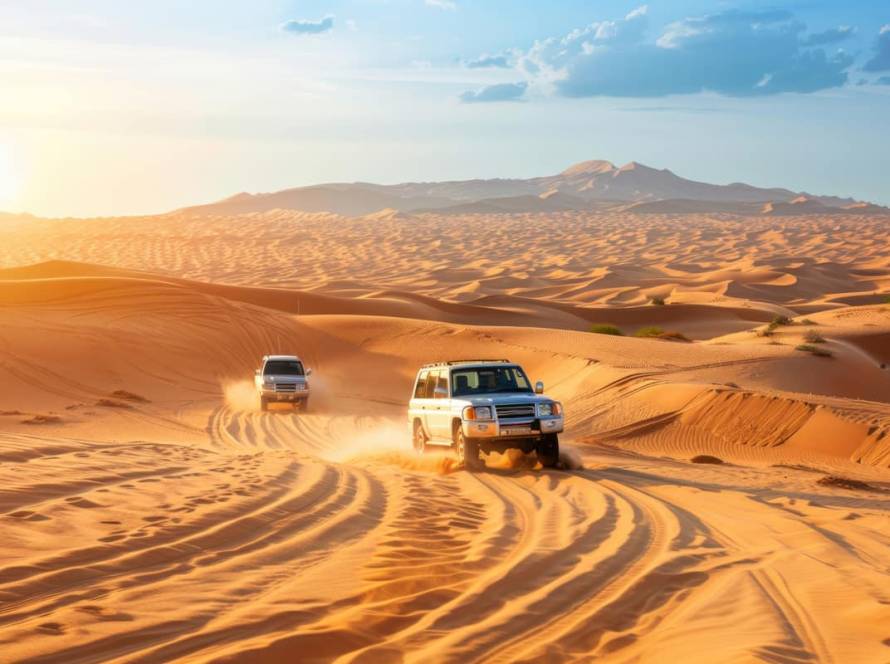
Imagine landing in Dubai, fueled by dreams of soaring over massive crimson dunes, only to find yourself in a flat, dusty patch of sand surrounded by hundreds of other tourists. It happens more often than you’d think. Choosing the “wrong” desert isn’t just about the scenery; it dictates the speed of your 4×4, the height of your sandboard slides, and even how much time you spend stuck in traffic versus actually enjoying the desert breeze.
To get the most out of your trip, you need to match the location to your personality. Al Badayer is the rugged playground for adrenaline junkies craving steep climbs. Lahbab offers that iconic, picture-perfect “Red Dune” experience you’ve seen on Instagram. Meanwhile, Al Awir provides a convenient, budget-friendly gateway for families who want a taste of the desert without the long drive.
Al Badayer: The “Big Red” Adventure Hub
If you’ve ever seen a postcard of a massive, ruby-red sand mountain that looks impossible to climb, you were likely looking at Al Badayer. Known locally as “Big Red,” this area is the undisputed heavyweight champion of the Dubai desert scene. The sand here isn’t the pale yellow you might see near the city; it’s a deep, rich ochre that feels incredibly soft but creates some of the most challenging terrain in the region.
The Landscape of “Big Red”
The star of the show is the “Big Red” dune itself a landmark so large it’s visible from the highway. This isn’t a place for a gentle stroll. The landscape is a series of massive, sweeping bowls and sharp ridges that offer a true sense of scale. Because the sand is so fine and the dunes are so steep, the shadows at sunset create a dramatic, high-contrast look that makes every photo look like a professional shoot.
Best For: The Adrenaline Purists
Al Badayer is the go-to spot for what we call “pro-level” adventure. If your goal is to feel your heart skip a beat as a 4×4 leans at a 45-degree angle, this is your place. It is also the capital of quad biking and dune buggy rentals. Unlike other areas where you might follow a slow-moving line, Al Badayer offers more open spaces for self-drive enthusiasts to test their skills on the sand.
Key Features and Accessibility
Located right near the border of Dubai and Sharjah, Al Badayer is surprisingly easy to reach about a 45-to-50-minute drive from the city center. It’s a favorite for weekend warriors who bring their own modified trucks and bikes. Because it’s a natural hub for motorsports, you’ll find plenty of rental shops and “pit stop” areas where you can grab a cold drink while watching experts tackle the slopes.
A Note on the Terrain
Having spent years navigating these dunes, I can tell you that Al Badayer is a different beast compared to somewhere like Al Awir. In Al Awir, the dunes are smaller and more “forgiving” if a driver makes a mistake, the car usually just stops.
In Al Badayer, the “slip faces” (the steep side of the dune) are much longer and more vertical. Navigating these requires a specific technique called “side-sloping,” where the driver must maintain a precise speed to keep the vehicle from tipping. This is why, when you book a safari here, you’ll notice the drivers are particularly focused. They aren’t just driving; they are constantly reading the “crust” of the sand to ensure the car stays glued to the dune. It’s an exhilarating experience, but it’s one that truly demands a professional behind the wheel.
Lahbab Desert: The Red Dune Spectacle
If you have spent any time scrolling through Instagram looking at Dubai travel photos, you have already seen Lahbab. This is the desert of dreams a place where the sand is so vibrantly red it almost looks painted, and the dunes rise like giant, frozen waves against the blue sky. For most travelers, this is the “classic” Dubai desert experience they were hoping for.
A Landscape Carved by Wind
The Lahbab desert is famous for its towering “Red Dunes.” Unlike the pale, golden sands found closer to the city, the sand here has a high iron oxide content, giving it that iconic crimson hue. These dunes aren’t just pretty; they are massive. You will often find yourself looking up at dunes that reach 30 to 40 meters in height. The sand is silk-smooth and incredibly fine, which is why the wind creates those perfect, sharp ripples that look so stunning in photographs.
Best For: The Total Package
Lahbab is the ultimate destination for anyone who wants a “bucket list” experience. Because the dunes are so high, the dune bashing here is high-adrenaline but usually very smooth. It is also the best spot for sandboarding the height and steepness of the slopes allow you to actually pick up some speed as you glide down.
If you are a photography lover, the “Golden Hour” here is unmatched. As the sun begins to set, the red sand glows with an intensity that makes every smartphone photo look like it belongs in a magazine.
Why It’s the “Premium” Choice
When you are browsing safari packages, you’ll notice that “Premium” or “Luxury” tours almost always take place in Lahbab. There is a practical reason for this. While Al Awir is closer and more crowded, Lahbab offers a sense of vastness that feels more authentic.
Because the area is so large, many of the high-end operators have built permanent, luxury sunset camps tucked away between the dunes. These camps offer a more secluded feel, often featuring gourmet dining and comfortable seating, away from the noise of the main roads. It takes about 45 to 60 minutes to get here from downtown Dubai, but once you see that first massive red ridge, you’ll realize the extra drive time was worth every minute.
A Relatable Reality Check
One thing to keep in mind is that because Lahbab is so popular, the “best” dunes can get busy during peak tourist season. However, a skilled driver knows how to find a private peak where it feels like it’s just you and the horizon. If you’re looking for that “Middle Eastern movie” vibe with the camels, the endless red sand, and a spectacular sunset Lahbab is the place that will actually deliver on that promise.
Al Awir Desert: The Traditional & Accessible Choice
If you are looking for a desert experience that fits easily into a busy schedule or a tight budget, Al Awir is likely the name you’ll hear most. While Al Badayer and Lahbab are famous for their towering, crimson peaks, Al Awir offers a more classic, golden landscape that has been the traditional home of Dubai’s safari culture for decades.
A Gentle, Golden Landscape
The first thing you’ll notice about Al Awir is the color of the sand. It is a light, warm gold rather than the deep red found further out. The terrain here is also a bit more “scrubby,” meaning you’ll see more natural desert flora and hardy bushes scattered between the dunes. The dunes themselves are much smaller and flatter, which creates a very different atmosphere it feels less like an alien planet and more like a traditional pastoral desert.
Best For: Families and First-Timers
Al Awir is the go-to choice for families traveling with young children or anyone who is a bit nervous about the idea of “dune bashing.” Because the slopes are gentler, the ride is much smoother. If you’ve ever worried about getting motion sickness or felt intimidated by the idea of a car leaning at extreme angles, Al Awir provides a “lite” version of the adventure that is still plenty of fun without being overwhelming.
The Proximity Factor
One of the biggest “wins” for Al Awir is its location. It is incredibly close to the city. If you are staying in Downtown Dubai, Deira, or Bur Dubai, you can often reach the desert in just 25 to 30 minutes. This is a life-saver for travelers who want to enjoy a sunset dinner in the dunes but need to be back at their hotel early for a flight or another tour the next morning.
A Thought on Comfort and Safety
When planning a trip for a multi-generational family, safety and physical comfort are usually the top priorities. Al Awir is often the most appropriate choice for seniors or individuals with minor back concerns. In the steeper red dunes of Lahbab, the “drops” can be sudden and jarring. In Al Awir, the movements are more rolling and predictable.
It is also worth noting that because this area is so accessible, the camps here are often very well-equipped with modern facilities, making the transition from city life to desert life feel a bit more seamless. It might not have the “extreme” label, but for many, the convenience and comfort of Al Awir make it the most sensible and enjoyable way to spend an evening under the stars.
Side-by-Side Comparison Table
Sometimes, the best way to make a decision is to see all your options laid out in front of you. While every desert in Dubai has its own charm, they cater to very different “vibes.” If you are a solo traveler looking for a thrill, your needs are miles apart from a parent trying to keep a toddler happy and safe.
This comparison matrix is designed to help you see those differences at a glance. We’ve looked at everything from the color of the sand (which matters more than you’d think for your photos!) to how long you’ll actually spend sitting in the car to get there. Whether you want to avoid the crowds or you’re looking for the highest peaks in the UAE, this table will point you in the right direction.
| Feature | Al Badayer | Lahbab | Al Awir |
| Sand Color | Deep Ochre / Dark Red | Bright Crimson Red | Warm Golden Yellow |
| Dune Height | Very High (Big Red) | Towering (30-40m) | Low to Moderate |
| Adrenaline Level | Extreme | High | Moderate / Relaxed |
| Drive Time (from Dubai) | ~50 Minutes | ~60 Minutes | ~25-30 Minutes |
| Crowd Density | Moderate (Local Pros) | High (Popular) | High (Budget-friendly) |
| Best For | Hardcore Adventures | Photographers & Luxury | Families & Short Trips |
Choosing based on these factors ensures you don’t end up on a bumpy, high-speed ride when you really just wanted a quiet dinner, or a flat, slow drive when you were hoping for a heart-pounding adventure.
Activity Breakdown: What Can You Do Where?
When you book a “desert safari,” it usually includes a bundle of activities. However, the quality of those activities changes significantly depending on the sand beneath your feet. Here is a realistic look at how your desert experience will vary across the three locations.
Dune Bashing Intensity
If your goal is to feel the G-force as a 4×4 climbs a vertical wall of sand, Al Badayer takes the gold medal. It is rugged and unpredictable. Lahbab is a close second; because the dunes are so tall, you get those long, stomach-flipping drops that feel like a natural roller coaster. Al Awir is much tamer think of it as a fun, bumpy ride rather than an extreme sport. It’s perfect if you want the “experience” without the “adrenaline hangover.”
Sandboarding: Finding the Best Glide
Most people think sandboarding is like snowboarding, but sand has much more friction. To actually slide, you need height and steepness. This is where Lahbab shines. Because the dunes reach up to 40 meters, you get enough momentum to actually glide down the face of the dune rather than just scooting an inch at a time. Al Awir’s dunes are often too short for a long, satisfying ride, so if sandboarding is high on your list, head for the red dunes.
Quad Biking & ATVs
For those who want to take the wheel themselves, Al Badayer is the undisputed capital. Because it’s a hub for local enthusiasts, the rental variety here is massive. You’ll find everything from beginner-friendly 200cc quads to high-powered raptors and 1000cc dune buggies. While the other deserts have rental spots, they are often smaller and more “tourist-focused,” whereas Al Badayer feels like a true off-road playground.
Wildlife & Nature
If you are hoping to spot a bit of the “living” desert, keep your eyes peeled in the outskirts of Al Awir and the conservation areas near Lahbab. While dune bashing usually scares off the locals, quieter morning tours in these areas often result in sightings of the Arabian Oryx a stunning white antelope with long, straight horns or the shy Arabian Gazelle. Al Badayer is generally too noisy with engines for much wildlife, but in the quieter stretches of Al Awir, you’ll get a better sense of the desert’s natural, peaceful side.
Logistics & Planning: When to Go and What to Pack
Planning a desert trip is a bit like planning a mountain hike the environment is beautiful but unforgiving if you aren’t prepared. To make sure your memories are about the sunset and not a sunburn, timing and gear are everything.
The Best Time to Visit
In Dubai, the “Golden Window” for desert adventures is between October and April. During these months, the daytime temperatures are pleasant (usually between 18°C and 30°C), and the air is crisp.
If you’re visiting in the summer, don’t worry you can still go! However, you’ll want to book a Sunrise Safari (starting around 6:00 AM) or a Late Evening Safari (after 4:00 PM). Avoid the midday sun at all costs; the sand can reach temperatures that make walking nearly impossible, and the heat can quickly turn a fun ride into an exhausting ordeal.
What to Wear: Practical Tips
-
Fabric Matters: Stick to light, breathable fabrics like cotton or linen. They reflect the sun and let the breeze through.
-
The Shoe Secret: While sandals are tempting, closed-toe sneakers or trail shoes are much better for activities. If you try to sandboard in flip-flops, you’ll spend more time digging sand out of your toes than actually riding.
-
The “Desert Scarf”: A light scarf (or shemagh) is your best friend. It protects your neck from the sun and can be wrapped around your face if a gust of wind kicks up some sand.
Checking for Safety
Because this is a physical adventure, you want to be sure your operator takes safety seriously. Before you hop into that 4×4, look for these three things:
-
The Roll Cage: A professional safari vehicle should have a visible internal roll cage (metal bars inside the cabin) to protect passengers.
-
Licensed Guides: Your driver should hold a specific “Desert Driving” license issued by the Dubai RTA. Don’t be afraid to ask!
-
The Gear: If you’re quad biking or buggy riding, a helmet and goggles should be provided and mandatory.
A reputable operator won’t just offer you a ride; they’ll offer you peace of mind, ensuring you can focus entirely on the thrill of the dunes.
Conclusion: The Expert’s Final Verdict
After years of traversing these dunes, I’ve realized that there isn’t one “perfect” desert only the desert that is perfect for you right now. Your choice really comes down to what you want to feel when you head back to your hotel at the end of the night.
The Final Breakdown
-
The Adrenaline Junkie: If you live for high speeds and want to see the limits of what a 4×4 or a quad bike can do, don’t settle for less than Al Badayer. Its “Big Red” dune is a rite of passage for anyone who loves off-roading.
-
The Family Traveler: If you have kids in tow or are traveling with seniors, stick to Al Awir. It’s close, convenient, and offers a gentle introduction to desert life that won’t leave the little ones feeling overwhelmed or car-sick.
-
The Photographer: If you want those deep, fiery red sands that look like a scene from Dune or Star Wars, Lahbab is your destination. The sheer height of the peaks and the way they catch the sunset light is simply unmatched for your vacation photos.
A Final Tip for the Conscious Traveler
As you book your adventure, look for operators who prioritize the environment as much as the entertainment. A great tour provider will encourage you to take your trash with you and will stay on established tracks to protect the fragile desert crust and local wildlife habitats.
Before you click “book,” check recent reviews not just for the price, but for the quality of the guides and the condition of the vehicles. A few extra minutes of research ensures that your Dubai desert story is one of thrill and wonder, perfectly matched to your own style of adventure. See you out on the dunes!
Frequently Asked Questions
Which desert has the reddest sand?
If you are looking for that deep, “Mars-like” crimson, Lahbab is the winner. While Al Badayer is famous for the “Big Red” dune, the sand there is often a mix of deep ochre and orange. Lahbab’s dunes have a higher iron-oxide content, giving them a bright, vivid red color that looks spectacular, especially during the sunset “golden hour.”
Is Al Badayer better than Lahbab for quad biking?
It depends on your skill level. Al Badayer is the historic heart of quad biking and is perfect if you want to see local experts in action or explore a variety of rental shops. However, for most tourists in 2026, Lahbab is considered the premium choice for quad biking. It offers wider, open valleys between dunes, which gives you more “room to breathe” and higher dunes for a more thrilling ride compared to the more crowded, fenced-in tracks often found in Al Badayer.
How far is Al Awir from Dubai International Airport?
Al Awir is the most accessible desert from the city. It is located roughly 35 kilometers from Dubai International Airport (DXB). On a day with normal traffic, you can be on the sand in about 25 to 30 minutes. This makes it the perfect choice for travelers on a short layover or those who want to maximize their time at the desert camp rather than in a car.